Original: $5.18
-65%$5.18
$1.81The Story
Green Paradise Offers Beautiful Bunny
Ear Cactus
About Bunny Cactus
Key characteristics of the Bunny Ear Cactus:
Appearance:
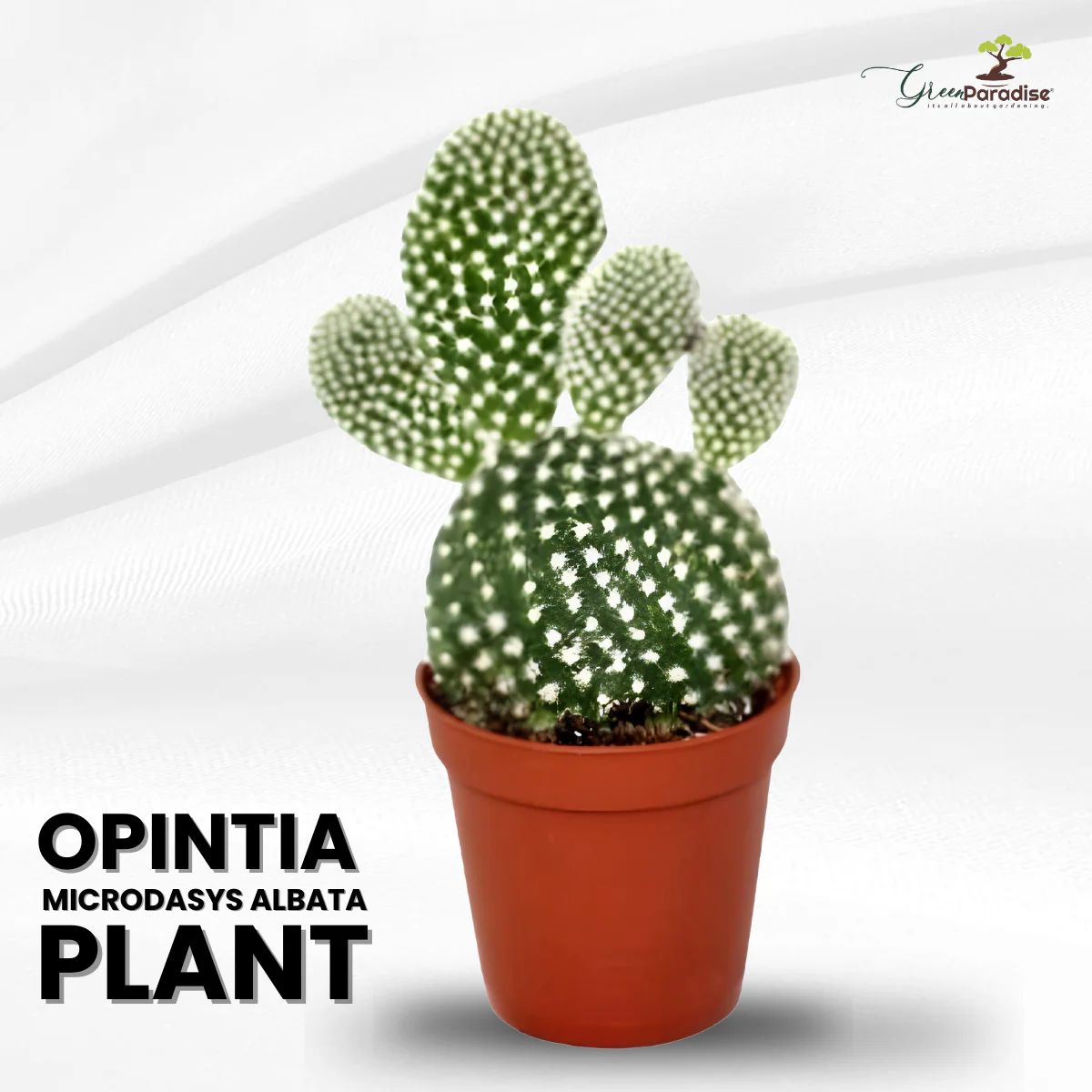
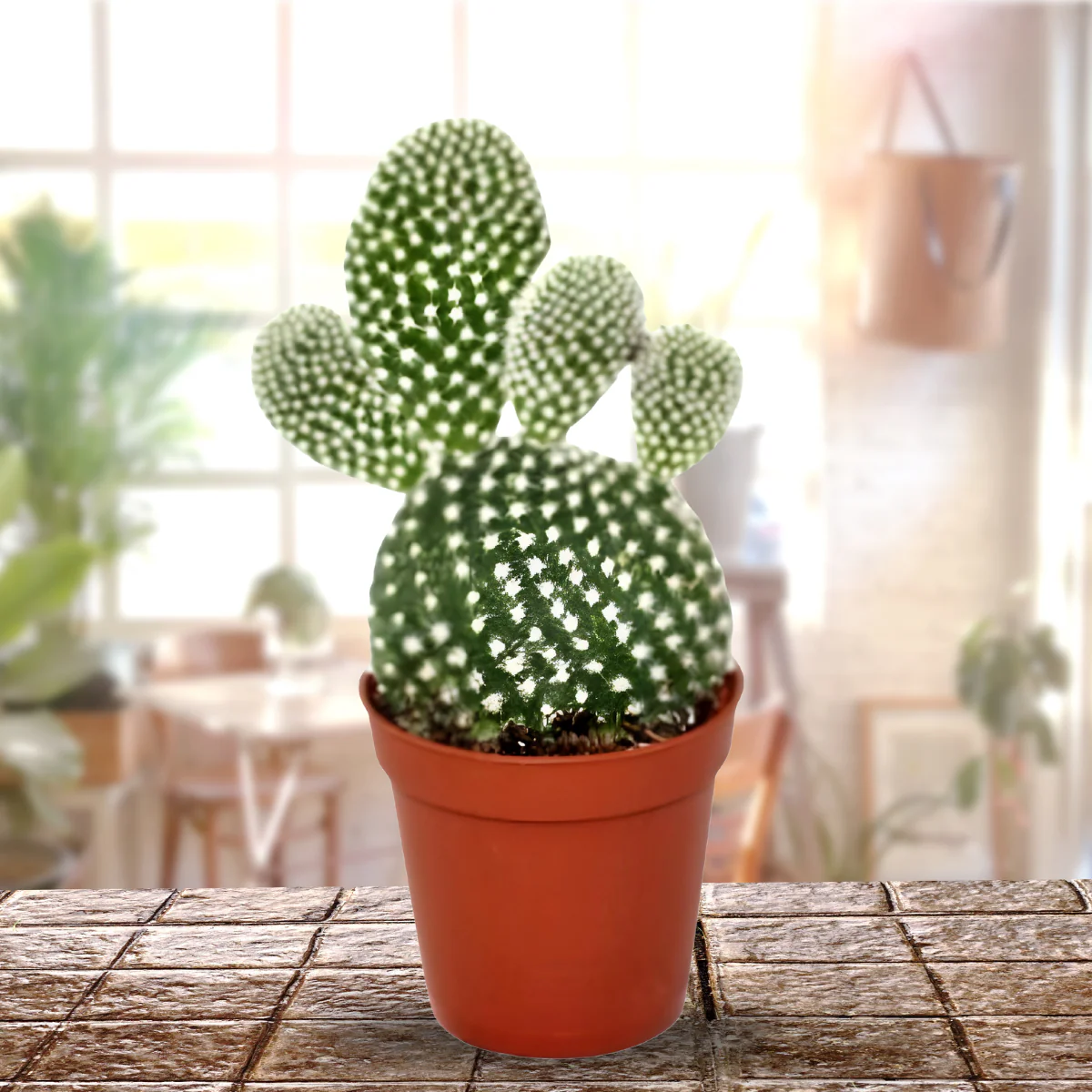
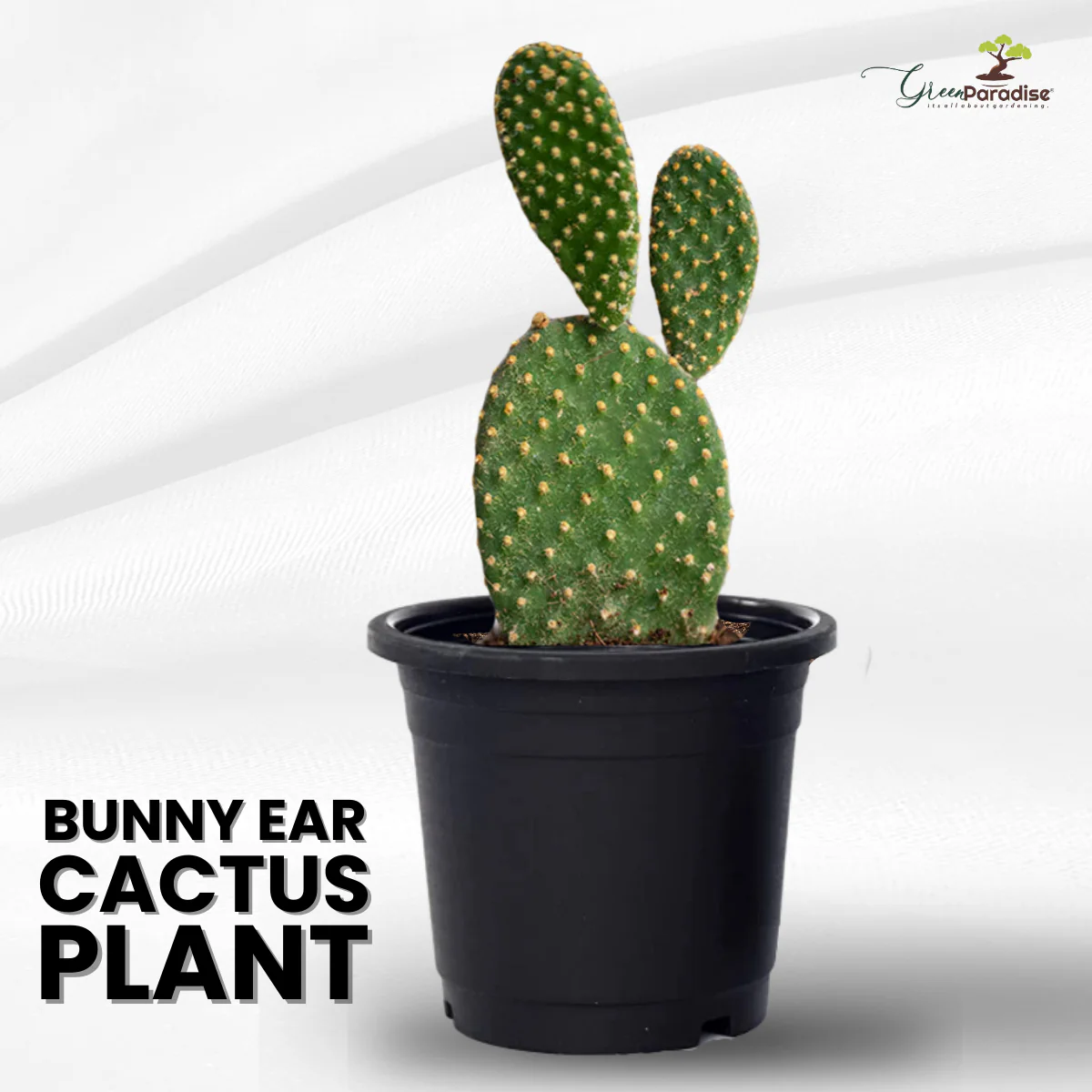
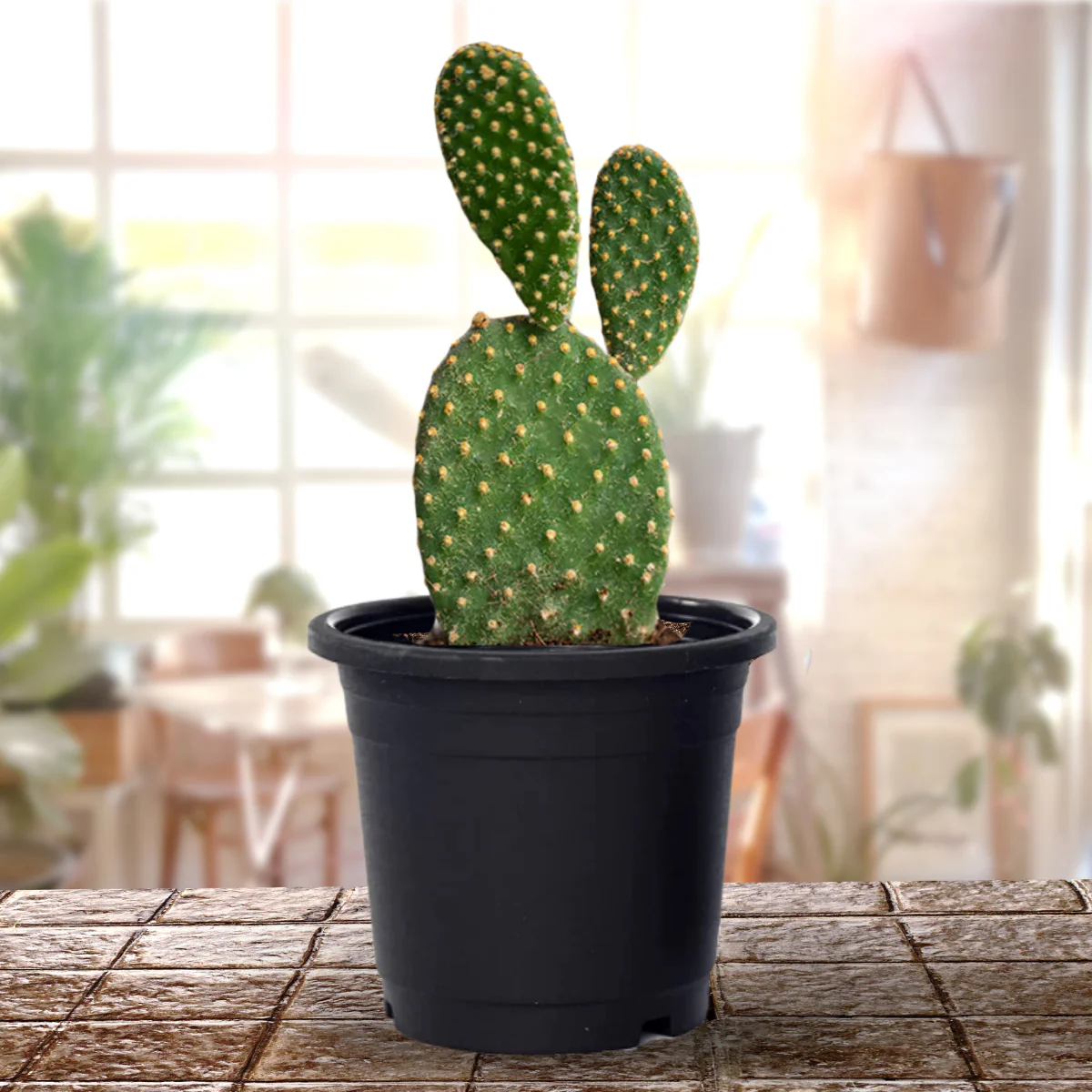
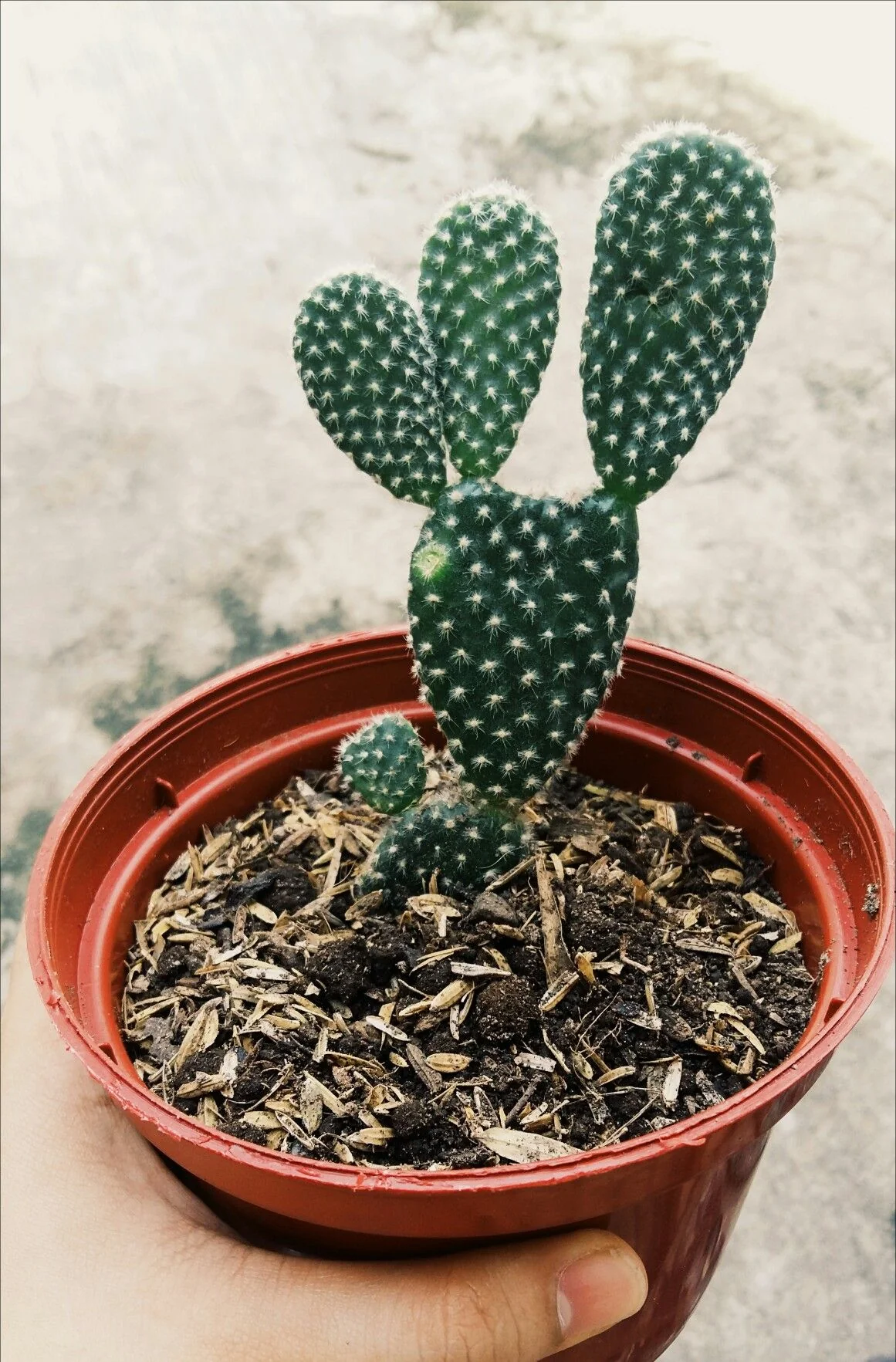
- The Bunny Ear Cactus is a low-growing, clump-forming succulent with flat, oval, or paddle-shaped segments that resemble bunny ears, hence its common name.
- These segments are covered in tiny, hair-like structures known as glochids, which are actually modified spines.
- The glochids give the cactus a soft and fuzzy appearance.
Color:
- The cactus pads are usually bright green, and the glochids can be white or yellow.
- Be careful when handling the plant as the glochids can cause skin irritation.
Flowers and fruit:
- In the right conditions, Bunny Ear Cacti can produce small, yellow flowers that bloom at the edges of the pads.
- After successful pollination, these flowers can develop into small, edible fruit that resembles tiny reddish-brown, spiky balls.
Growth and size:
- The Bunny Ear Cactus can reach a height of about 1 to 2 feet (30 to 60 cm) and can spread over a broader area due to its clumping habit.
Caring for the Bunny Ear Cactus:
- Sunlight: This cactus thrives in bright, indirect sunlight.
- While it can handle some direct sun, it's essential to avoid intense, scorching sunlight, as it may lead to sunburn on the plant's pads.
Temperature:
- The Bunny Ear Cactus prefers warm temperatures and can tolerate mild frost but is not suited for extended periods of cold.
Watering:
- Like most cacti, the Bunny Ear Cactus prefers dry conditions.
- Water it infrequently, letting the soil dry up in between applications.
- Overwatering can beget root spoilage and other issues.
Soil:
- Plant the Bunny Ear Cactus in well-draining soil, preferably a cactus mix or a blend of sand, perlite, and regular potting soil.
Potting:
Propagation:
- Bunny Ear Cacti can be propagated through cuttings.
- Allow the cut ends to callus for a day or two before planting them by well-draining soil.
Pests and diseases:
- Watch out for common cactus pests like mealybugs and spider mites.
- Regularly inspect the plant for any signs of damage or infestations.
Overall, the Bunny Ear Cactus is an excellent choice for both beginners and experienced plant enthusiasts, as it adds a unique touch to any indoor or outdoor garden with its distinctive appearance and relatively undemanding care requirements
How To Grow Bunny Ear, Cactus Plant
The Bunny Ear Cactus (Opuntia microdasys), also known as the Polka Dot Cactus or Angel's Wings, is a popular and visually appealing cactus species native to Mexico. It belongs to the Opuntia genus, which includes various types of prickly pear cacti.
Physical characteristics:
- The Bunny Ear Cactus has flat, pad-like stems that resemble bunny ears or polka dots, hence its common names.
- The stems are covered in glochids, which are tiny, hair-like spines that look like fuzz.
- These glochids can be irritating if they come into contact with the skin, so handle the plant with care.
- The cactus can have a vibrant green color, and some varieties may have a slight bluish tinge.
Caring for a Bunny Ear Cactus:
- Light: These cacti prefer bright, indirect light.
- They can tolerate some direct sunlight, but too much can lead to sunburn and damage to the plant.
- An east-facing or south-facing windowsill with filtered light is usually ideal.
Temperature:
- The Bunny Ear Cactus thrives in temperatures between 65°F to 85°F (18°C to 29°C).
- Avoid exposing the plant to chilly air draughts or high temperatures.
Watering:
- Like most cacti, the Bunny Ear Cactus is drought-tolerant and prefers infrequent but thorough watering.
- Avoid exposing the plant to chilly air draughts or high temperatures.
Soil:
- A well-draining cactus or succulent mix is essential for this plant's health.
- Steer clear of dense, water-retaining soils that can cause root rot.
Humidity:
- They prefer low to moderate humidity levels, which makes them suitable for indoor environments with dry air.
Propagation:
- The Bunny Ear Cactus can be propagated through stem cuttings.
- Allow a cut section of the pad to callus over for a few days before placing it in well-draining soil.
- Water sparingly until new growth is evident.
Potential issues:
Overwatering:
- This is a common issue with cacti.
- Overwatering can lead to root rot and other problems, so it's crucial to let the soil dry out between waterings.
Pests:
- Watch out for pests like mealybugs and spider mites.
- Regularly inspect the plant and treat it promptly if you notice any infestations.
Sunburn:
The Bunny Ear Cactus is a delightful addition to any cactus collection or as a standalone decorative plant. Its unique appearance and easy care requirements make it a favorite among cactus enthusiasts and beginner gardeners alike.
Details & Craftsmanship
Every detail has been carefully considered to bring you the perfect product.
Details & Craftsmanship
Every detail has been carefully considered to bring you the perfect product.

Details & Craftsmanship
Every detail has been carefully considered to bring you the perfect product.
Description
Green Paradise Offers Beautiful Bunny
Ear Cactus
About Bunny Cactus
Key characteristics of the Bunny Ear Cactus:
Appearance:
- The Bunny Ear Cactus is a low-growing, clump-forming succulent with flat, oval, or paddle-shaped segments that resemble bunny ears, hence its common name.
- These segments are covered in tiny, hair-like structures known as glochids, which are actually modified spines.
- The glochids give the cactus a soft and fuzzy appearance.
Color:
- The cactus pads are usually bright green, and the glochids can be white or yellow.
- Be careful when handling the plant as the glochids can cause skin irritation.
Flowers and fruit:
- In the right conditions, Bunny Ear Cacti can produce small, yellow flowers that bloom at the edges of the pads.
- After successful pollination, these flowers can develop into small, edible fruit that resembles tiny reddish-brown, spiky balls.
Growth and size:
- The Bunny Ear Cactus can reach a height of about 1 to 2 feet (30 to 60 cm) and can spread over a broader area due to its clumping habit.
Caring for the Bunny Ear Cactus:
- Sunlight: This cactus thrives in bright, indirect sunlight.
- While it can handle some direct sun, it's essential to avoid intense, scorching sunlight, as it may lead to sunburn on the plant's pads.
Temperature:
- The Bunny Ear Cactus prefers warm temperatures and can tolerate mild frost but is not suited for extended periods of cold.
Watering:
- Like most cacti, the Bunny Ear Cactus prefers dry conditions.
- Water it infrequently, letting the soil dry up in between applications.
- Overwatering can beget root spoilage and other issues.
Soil:
- Plant the Bunny Ear Cactus in well-draining soil, preferably a cactus mix or a blend of sand, perlite, and regular potting soil.
Potting:
Propagation:
- Bunny Ear Cacti can be propagated through cuttings.
- Allow the cut ends to callus for a day or two before planting them by well-draining soil.
Pests and diseases:
- Watch out for common cactus pests like mealybugs and spider mites.
- Regularly inspect the plant for any signs of damage or infestations.
Overall, the Bunny Ear Cactus is an excellent choice for both beginners and experienced plant enthusiasts, as it adds a unique touch to any indoor or outdoor garden with its distinctive appearance and relatively undemanding care requirements
How To Grow Bunny Ear, Cactus Plant
The Bunny Ear Cactus (Opuntia microdasys), also known as the Polka Dot Cactus or Angel's Wings, is a popular and visually appealing cactus species native to Mexico. It belongs to the Opuntia genus, which includes various types of prickly pear cacti.
Physical characteristics:
- The Bunny Ear Cactus has flat, pad-like stems that resemble bunny ears or polka dots, hence its common names.
- The stems are covered in glochids, which are tiny, hair-like spines that look like fuzz.
- These glochids can be irritating if they come into contact with the skin, so handle the plant with care.
- The cactus can have a vibrant green color, and some varieties may have a slight bluish tinge.
Caring for a Bunny Ear Cactus:
- Light: These cacti prefer bright, indirect light.
- They can tolerate some direct sunlight, but too much can lead to sunburn and damage to the plant.
- An east-facing or south-facing windowsill with filtered light is usually ideal.
Temperature:
- The Bunny Ear Cactus thrives in temperatures between 65°F to 85°F (18°C to 29°C).
- Avoid exposing the plant to chilly air draughts or high temperatures.
Watering:
- Like most cacti, the Bunny Ear Cactus is drought-tolerant and prefers infrequent but thorough watering.
- Avoid exposing the plant to chilly air draughts or high temperatures.
Soil:
- A well-draining cactus or succulent mix is essential for this plant's health.
- Steer clear of dense, water-retaining soils that can cause root rot.
Humidity:
- They prefer low to moderate humidity levels, which makes them suitable for indoor environments with dry air.
Propagation:
- The Bunny Ear Cactus can be propagated through stem cuttings.
- Allow a cut section of the pad to callus over for a few days before placing it in well-draining soil.
- Water sparingly until new growth is evident.
Potential issues:
Overwatering:
- This is a common issue with cacti.
- Overwatering can lead to root rot and other problems, so it's crucial to let the soil dry out between waterings.
Pests:
- Watch out for pests like mealybugs and spider mites.
- Regularly inspect the plant and treat it promptly if you notice any infestations.
Sunburn:
The Bunny Ear Cactus is a delightful addition to any cactus collection or as a standalone decorative plant. Its unique appearance and easy care requirements make it a favorite among cactus enthusiasts and beginner gardeners alike.