
The Story
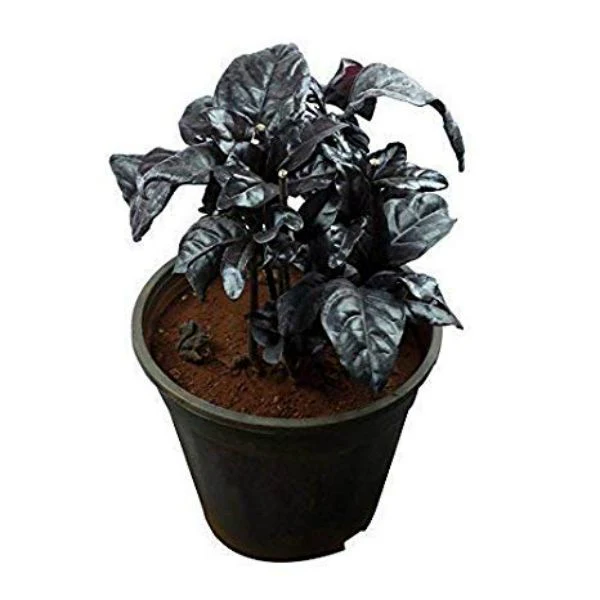
Exclusive bonsai tree from Green Paradise , you will get the same tree .
Green Paradise Offers Beautiful Carmona
Bonsai Plant
About Carmona Bonsai
The Carmona Bonsai(Fukien tea tree) is a popular choice for bonsai enthusiasts due to its small, dark green leaves, tiny white flowers, and the ability to develop well-defined trunks and branches.
Here are some key characteristics and care tips for the Fukien tea tree (Carmona bonsai):
Appearance:
- The Fukien tea tree has small, glossy, oval-shaped leaves with a prominent vein down the center.
- It also produces small white, star-shaped flowers that emit a pleasant fragrance.
Size:
- As a bonsai, the Fukien tea tree can be relatively small, ranging from a few inches to about 16 inches (40 cm) in height.
Care:
Proper care is essential for the health and vitality of the Fukien tea tree bonsai.
Here are some care tips:
Watering:
- The Fukien tea tree prefers a consistent level of moisture in its soil but can be sensitive to overwatering.
- Water the tree when the topsoil feels slightly dry, but avoid letting it dry out completely or become waterlogged.
Light:
- This bonsai thrives in bright, indirect sunlight.
- Place it near a window with filtered light or outdoors in a semi-shaded area, especially during hot summer months.
Temperature:
- It prefers warm temperatures and should be protected from freezing conditions.
Humidity:
- The Fukien tea tree enjoys higher humidity levels, so misting the foliage regularly can be beneficial.
Pruning and Wiring:
- Regular pruning and wiring are necessary to shape the bonsai and maintain its desired form.
Fertilization:
- During the growing season (spring to fall), fertilize the tree with a balanced liquid fertilizer every two to four weeks.
Repotting:
- Report the Fukien tea tree bonsai every two to three years to refresh the soil and maintain its health.
Indoor vs. Outdoor:
- The Fukien tea tree can be grown both indoors and outdoors, depending on the climate.
- In colder regions, it is typically cultivated indoors, where it can still thrive with proper care and attention.
As with any bonsai tree, creating and maintaining a Carmona bonsai (Fukien tea tree bonsai) requires patience, dedication, and a willingness to learn about the specific needs of this unique plant species. Each bonsai is an individual work of art, and with the right care, it can be a beautiful and rewarding addition to your home or garden.
How To Grow Carmona Bonsai Plant
Growing a Carmona bonsai, also known as Fukien tea bonsai (Carmona retusa), requires careful attention and specific care techniques.
Here's a step-by-step guide on how to grow Carmona bonsai:
Choosing the right tree:
- Select a healthy and well-formed Carmona bonsai tree from a reputable nursery or bonsai shop.
- Look for a tree with a well-balanced trunk, good root structure, and dense foliage.
Placement:
- Carmona bonsai thrive in bright, filtered light.
- Place your bonsai in a location where it can receive several hours of sunlight each day, but avoid direct sunlight during the hottest part of the day.
- You can also use artificial grow lights to supplement light if needed.
Temperature and humidity:
- Carmona bonsai prefer warm temperatures between 65°F and 75°F (18°C and 24°C). They also require higher humidity levels.
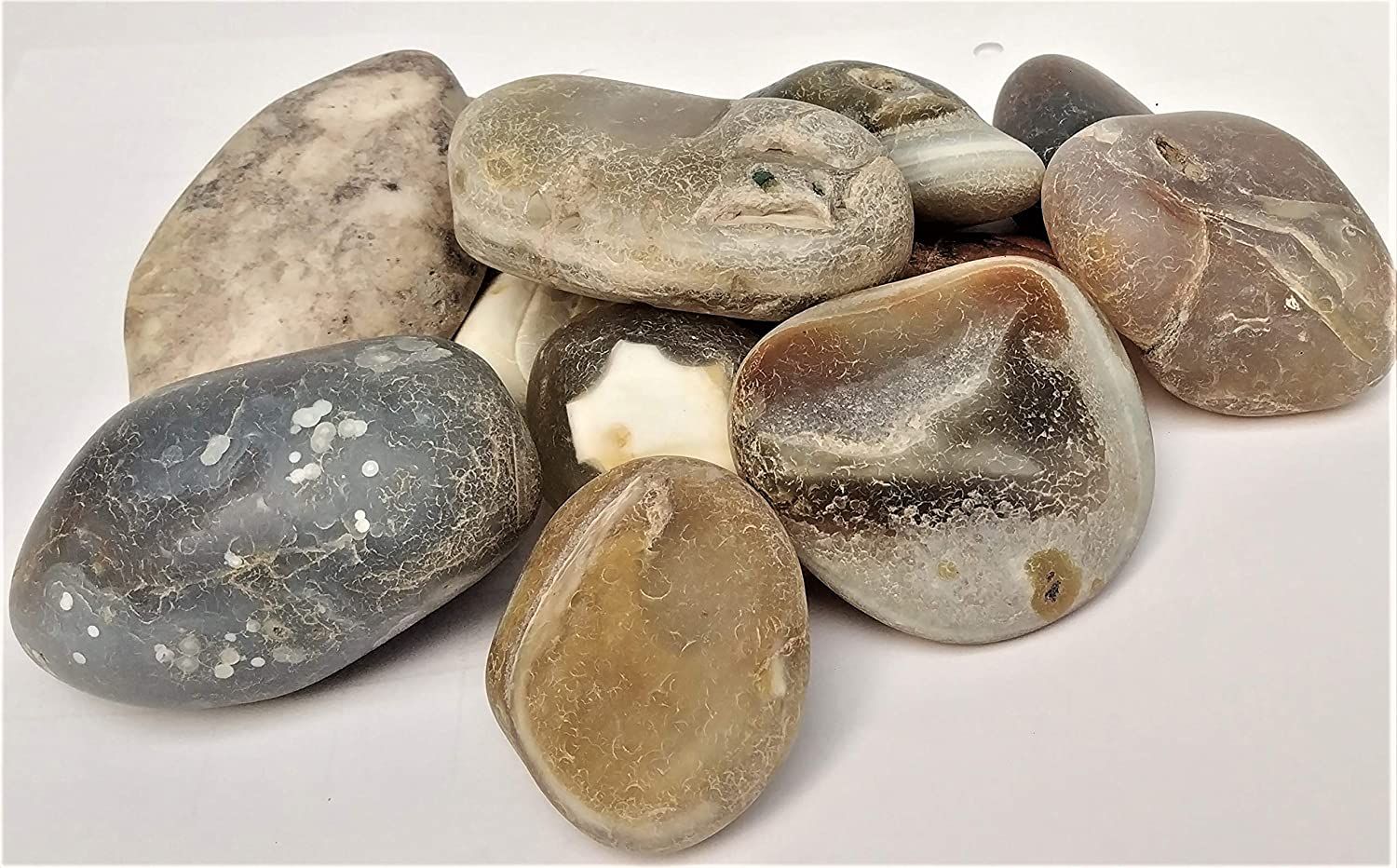
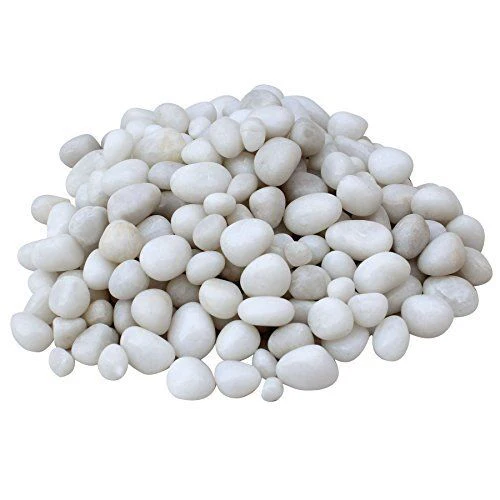
- To increase humidity, you can place your bonsai on a tray filled with water and pebbles.
- Ensure that the bottom of the bonsai pot is above the waterline to prevent root rot.
Watering:
- Proper watering is crucial for Carmona bonsai.
- They prefer slightly moist soil but should not be overwatered.
- Regularly check the soil by burying your finger about an inch deep.
- If it feels dry, water the bonsai thoroughly until water drains out of the bottom of the pot.
- Keep the soil from getting completely dry or flooded.
Soil and repotting:
- Carmona bonsai require well-draining soil.
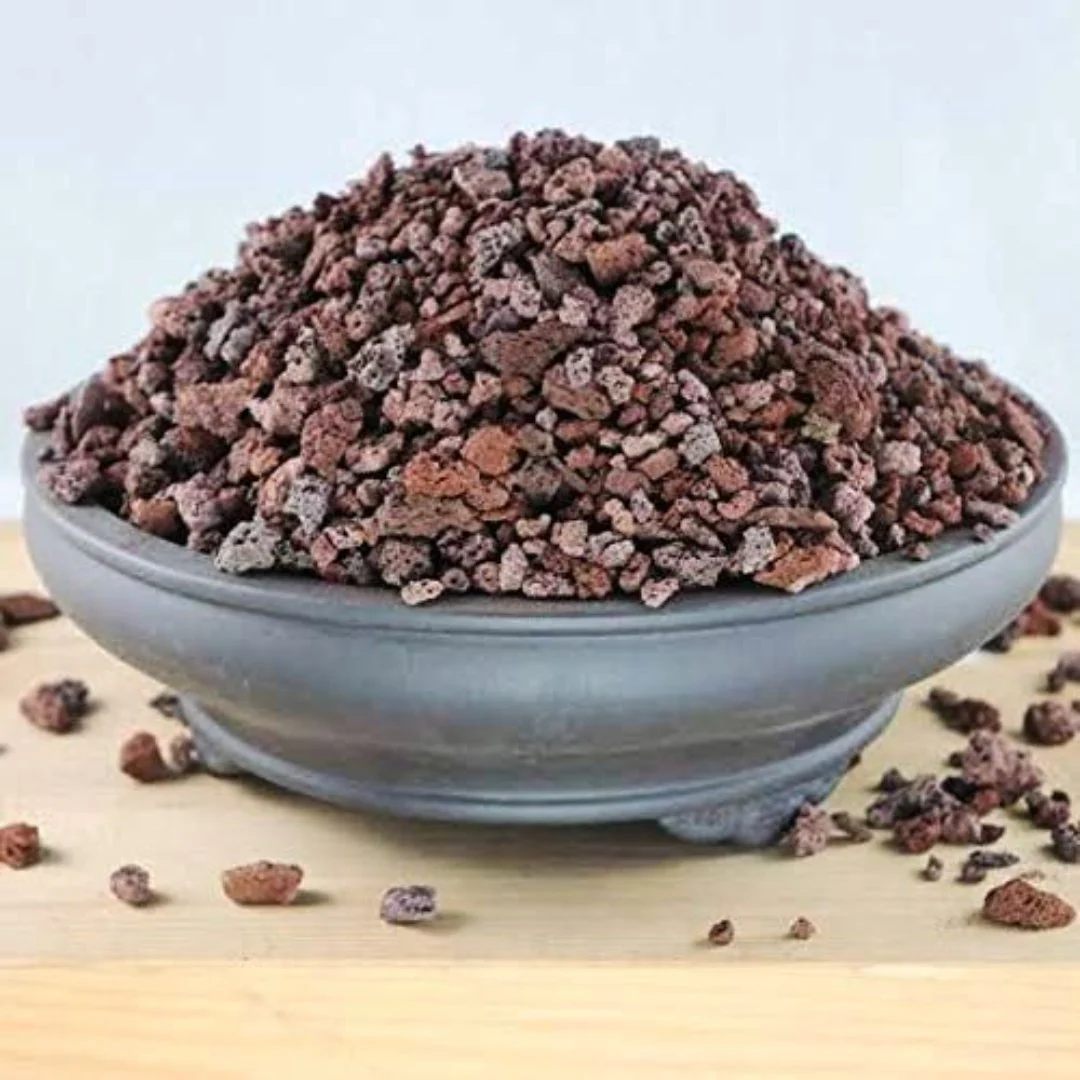
- Use a bonsai-specific soil mix or a mixture of bonsai soil, perlite, and organic compost.
- Report your bonsai every 2-3 years, preferably in spring, to refresh the soil and prune the roots.
Pruning and shaping:
- Regular pruning is necessary to maintain the shape and size of your Carmona bonsai.
- Trim back new growth to maintain the desired shape and remove any dead or unhealthy branches.
- Prune the roots during repotting to control their growth and maintain a healthy root system.
Fertilization:
- Feed your Carmona bonsai with a balanced, water-soluble bonsai fertilizer during the growing season (spring and summer).
- For the right dilution and frequency, adhere to the manufacturer's instructions. Reduce or stop fertilizing during winter when the tree is dormant.
Pest control:
- Carmona bonsai are susceptible to pests such as aphids, mealybugs, and scale insects.
- Regularly inspect your bonsai for signs of pests and treat them promptly using appropriate insecticides or by manually removing the pests.
- Avoid using harsh chemicals that may harm the bonsai.
Winter care:
- During winter, when temperatures drop, protect your Carmona bonsai from frost.
- Move it to a sheltered location, such as a greenhouse or a well-lit indoor spot.
- Reduce watering and avoid fertilizing until spring when the tree starts actively growing again.
Observing and adjusting:
- Pay close attention to your Carmona bonsai's health and appearance.
- Observe any signs of stress, such as yellowing leaves or weak growth, and adjust the care accordingly.
- Bonsai care is a continuous learning process, so be patient and adaptable.
By following these guidelines and providing proper care, you can enjoy the beauty of a thriving Carmona bonsai tree in your home or garden. Remember that each bonsai is unique, and it may require slight adjustments based on its specific needs.

Details & Craftsmanship
Every detail has been carefully considered to bring you the perfect product.

Details & Craftsmanship
Every detail has been carefully considered to bring you the perfect product.

Details & Craftsmanship
Every detail has been carefully considered to bring you the perfect product.

Details & Craftsmanship
Every detail has been carefully considered to bring you the perfect product.

Details & Craftsmanship
Every detail has been carefully considered to bring you the perfect product.

Details & Craftsmanship
Every detail has been carefully considered to bring you the perfect product.
Description
Exclusive bonsai tree from Green Paradise , you will get the same tree .
Green Paradise Offers Beautiful Carmona
Bonsai Plant
About Carmona Bonsai
The Carmona Bonsai(Fukien tea tree) is a popular choice for bonsai enthusiasts due to its small, dark green leaves, tiny white flowers, and the ability to develop well-defined trunks and branches.
Here are some key characteristics and care tips for the Fukien tea tree (Carmona bonsai):
Appearance:
- The Fukien tea tree has small, glossy, oval-shaped leaves with a prominent vein down the center.
- It also produces small white, star-shaped flowers that emit a pleasant fragrance.
Size:
- As a bonsai, the Fukien tea tree can be relatively small, ranging from a few inches to about 16 inches (40 cm) in height.
Care:
Proper care is essential for the health and vitality of the Fukien tea tree bonsai.
Here are some care tips:
Watering:
- The Fukien tea tree prefers a consistent level of moisture in its soil but can be sensitive to overwatering.
- Water the tree when the topsoil feels slightly dry, but avoid letting it dry out completely or become waterlogged.
Light:
- This bonsai thrives in bright, indirect sunlight.
- Place it near a window with filtered light or outdoors in a semi-shaded area, especially during hot summer months.
Temperature:
- It prefers warm temperatures and should be protected from freezing conditions.
Humidity:
- The Fukien tea tree enjoys higher humidity levels, so misting the foliage regularly can be beneficial.
Pruning and Wiring:
- Regular pruning and wiring are necessary to shape the bonsai and maintain its desired form.
Fertilization:
- During the growing season (spring to fall), fertilize the tree with a balanced liquid fertilizer every two to four weeks.
Repotting:
- Report the Fukien tea tree bonsai every two to three years to refresh the soil and maintain its health.
Indoor vs. Outdoor:
- The Fukien tea tree can be grown both indoors and outdoors, depending on the climate.
- In colder regions, it is typically cultivated indoors, where it can still thrive with proper care and attention.
As with any bonsai tree, creating and maintaining a Carmona bonsai (Fukien tea tree bonsai) requires patience, dedication, and a willingness to learn about the specific needs of this unique plant species. Each bonsai is an individual work of art, and with the right care, it can be a beautiful and rewarding addition to your home or garden.
How To Grow Carmona Bonsai Plant
Growing a Carmona bonsai, also known as Fukien tea bonsai (Carmona retusa), requires careful attention and specific care techniques.
Here's a step-by-step guide on how to grow Carmona bonsai:
Choosing the right tree:
- Select a healthy and well-formed Carmona bonsai tree from a reputable nursery or bonsai shop.
- Look for a tree with a well-balanced trunk, good root structure, and dense foliage.
Placement:
- Carmona bonsai thrive in bright, filtered light.
- Place your bonsai in a location where it can receive several hours of sunlight each day, but avoid direct sunlight during the hottest part of the day.
- You can also use artificial grow lights to supplement light if needed.
Temperature and humidity:
- Carmona bonsai prefer warm temperatures between 65°F and 75°F (18°C and 24°C). They also require higher humidity levels.
- To increase humidity, you can place your bonsai on a tray filled with water and pebbles.
- Ensure that the bottom of the bonsai pot is above the waterline to prevent root rot.
Watering:
- Proper watering is crucial for Carmona bonsai.
- They prefer slightly moist soil but should not be overwatered.
- Regularly check the soil by burying your finger about an inch deep.
- If it feels dry, water the bonsai thoroughly until water drains out of the bottom of the pot.
- Keep the soil from getting completely dry or flooded.
Soil and repotting:
- Carmona bonsai require well-draining soil.
- Use a bonsai-specific soil mix or a mixture of bonsai soil, perlite, and organic compost.
- Report your bonsai every 2-3 years, preferably in spring, to refresh the soil and prune the roots.
Pruning and shaping:
- Regular pruning is necessary to maintain the shape and size of your Carmona bonsai.
- Trim back new growth to maintain the desired shape and remove any dead or unhealthy branches.
- Prune the roots during repotting to control their growth and maintain a healthy root system.
Fertilization:
- Feed your Carmona bonsai with a balanced, water-soluble bonsai fertilizer during the growing season (spring and summer).
- For the right dilution and frequency, adhere to the manufacturer's instructions. Reduce or stop fertilizing during winter when the tree is dormant.
Pest control:
- Carmona bonsai are susceptible to pests such as aphids, mealybugs, and scale insects.
- Regularly inspect your bonsai for signs of pests and treat them promptly using appropriate insecticides or by manually removing the pests.
- Avoid using harsh chemicals that may harm the bonsai.
Winter care:
- During winter, when temperatures drop, protect your Carmona bonsai from frost.
- Move it to a sheltered location, such as a greenhouse or a well-lit indoor spot.
- Reduce watering and avoid fertilizing until spring when the tree starts actively growing again.
Observing and adjusting:
- Pay close attention to your Carmona bonsai's health and appearance.
- Observe any signs of stress, such as yellowing leaves or weak growth, and adjust the care accordingly.
- Bonsai care is a continuous learning process, so be patient and adaptable.
By following these guidelines and providing proper care, you can enjoy the beauty of a thriving Carmona bonsai tree in your home or garden. Remember that each bonsai is unique, and it may require slight adjustments based on its specific needs.