Original: $4.14
-65%$4.14
$1.45The Story
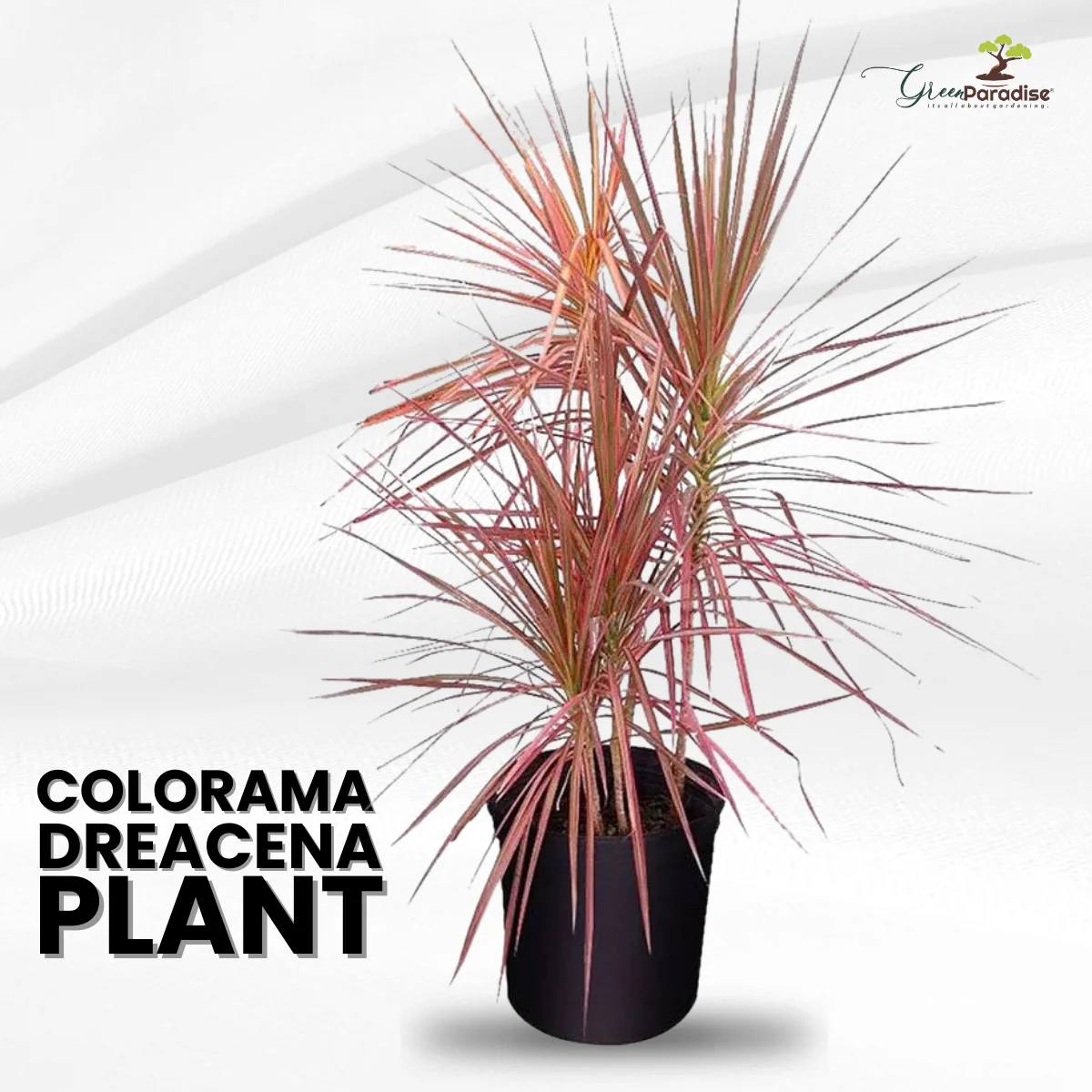
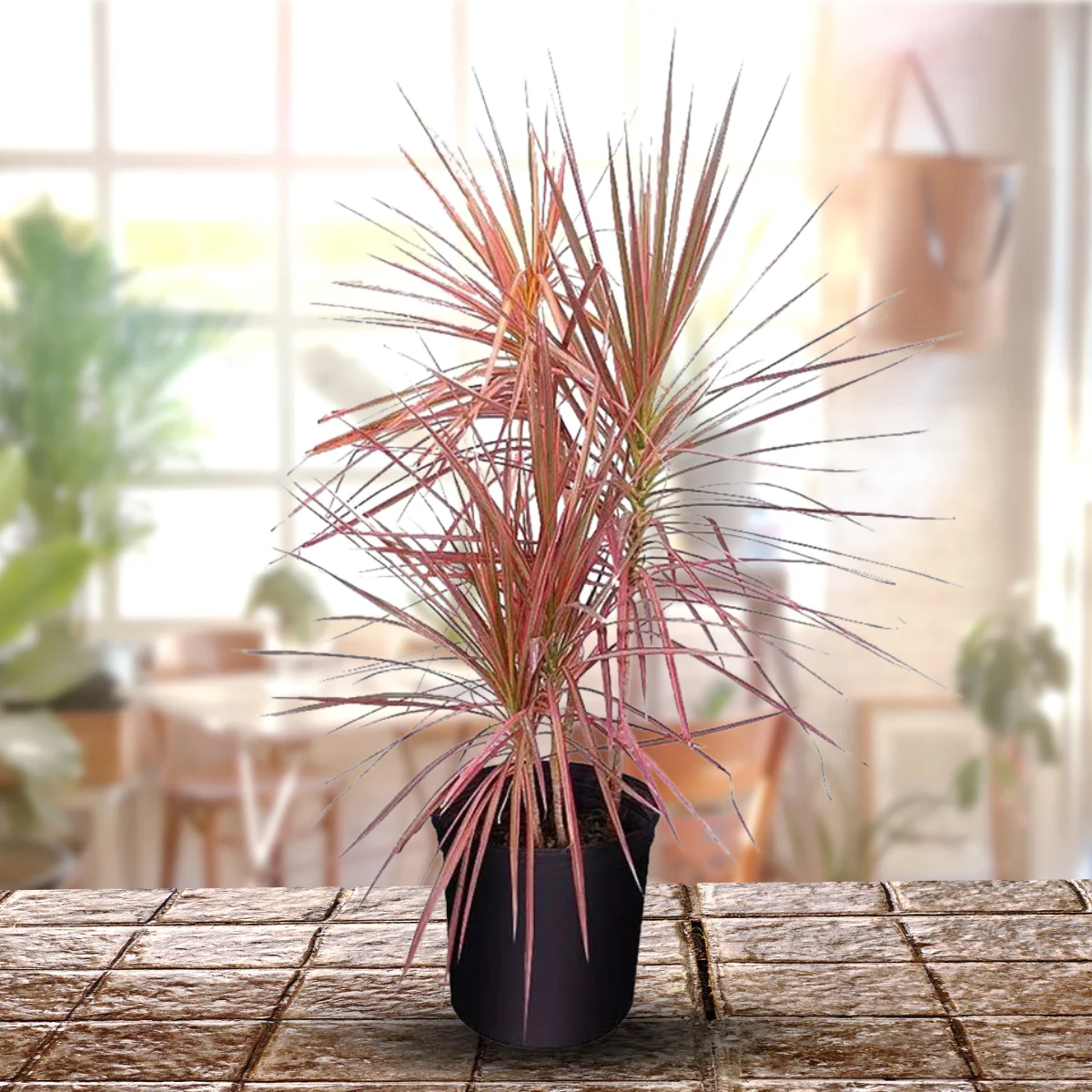
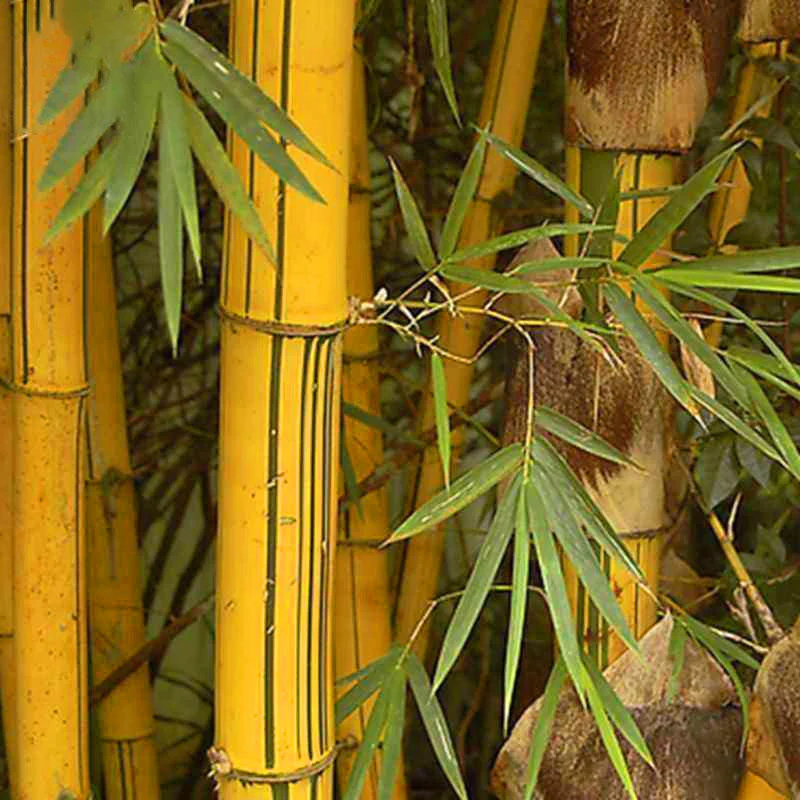
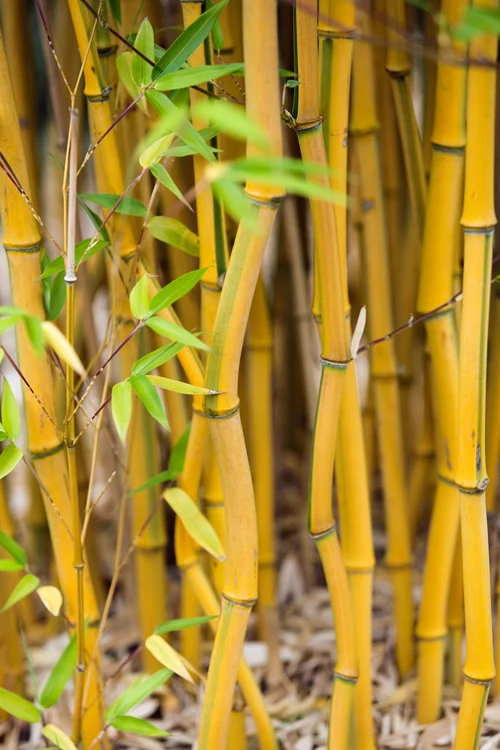
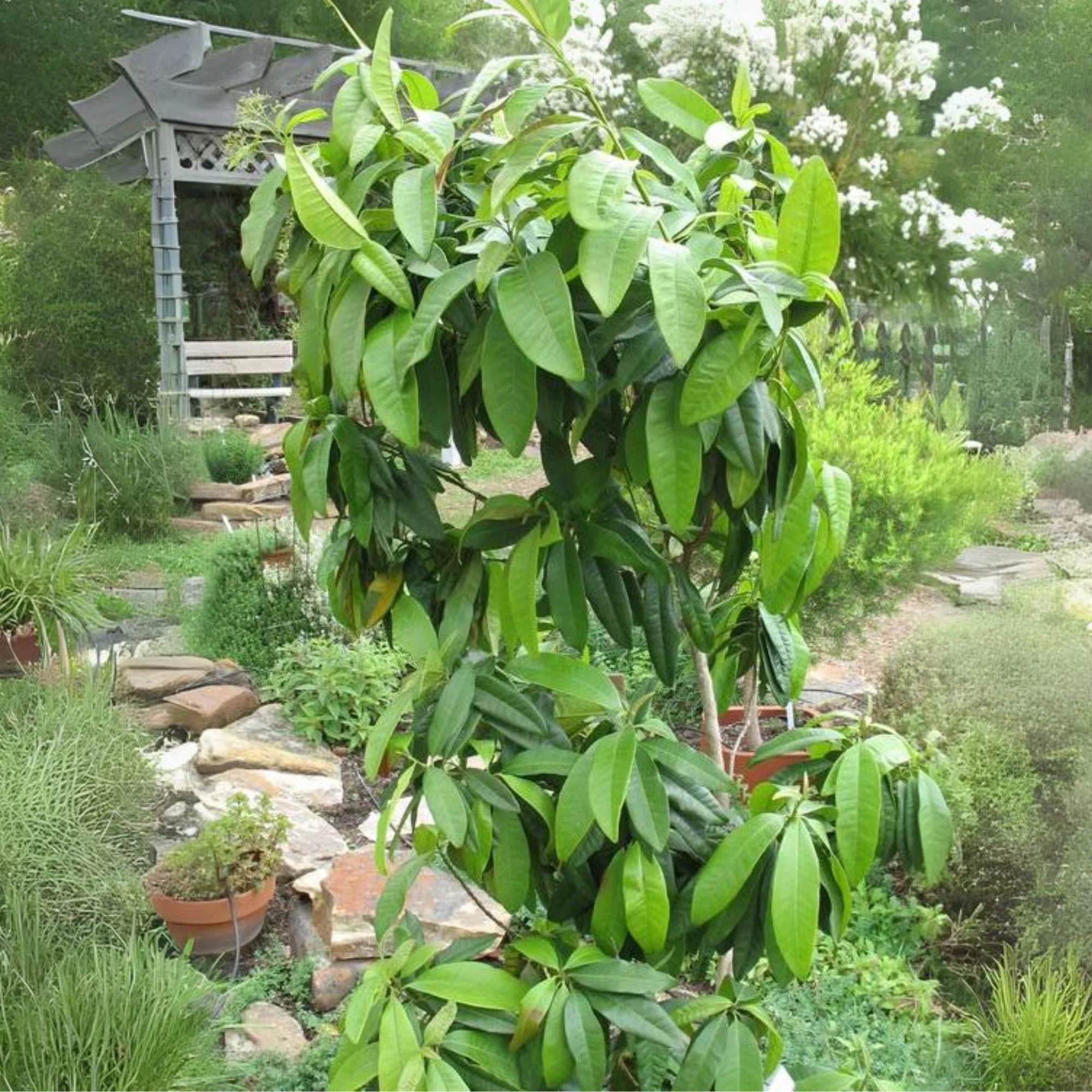
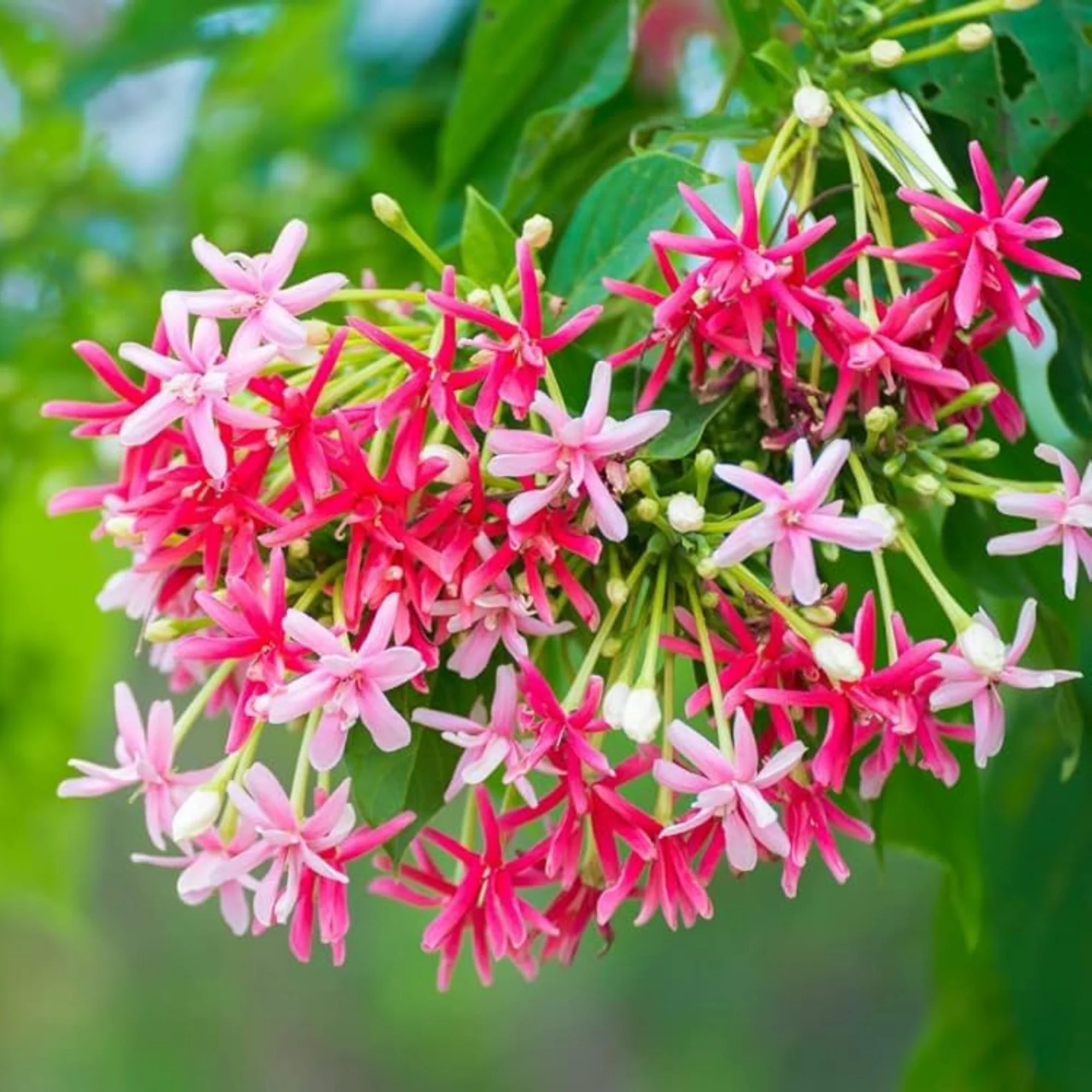
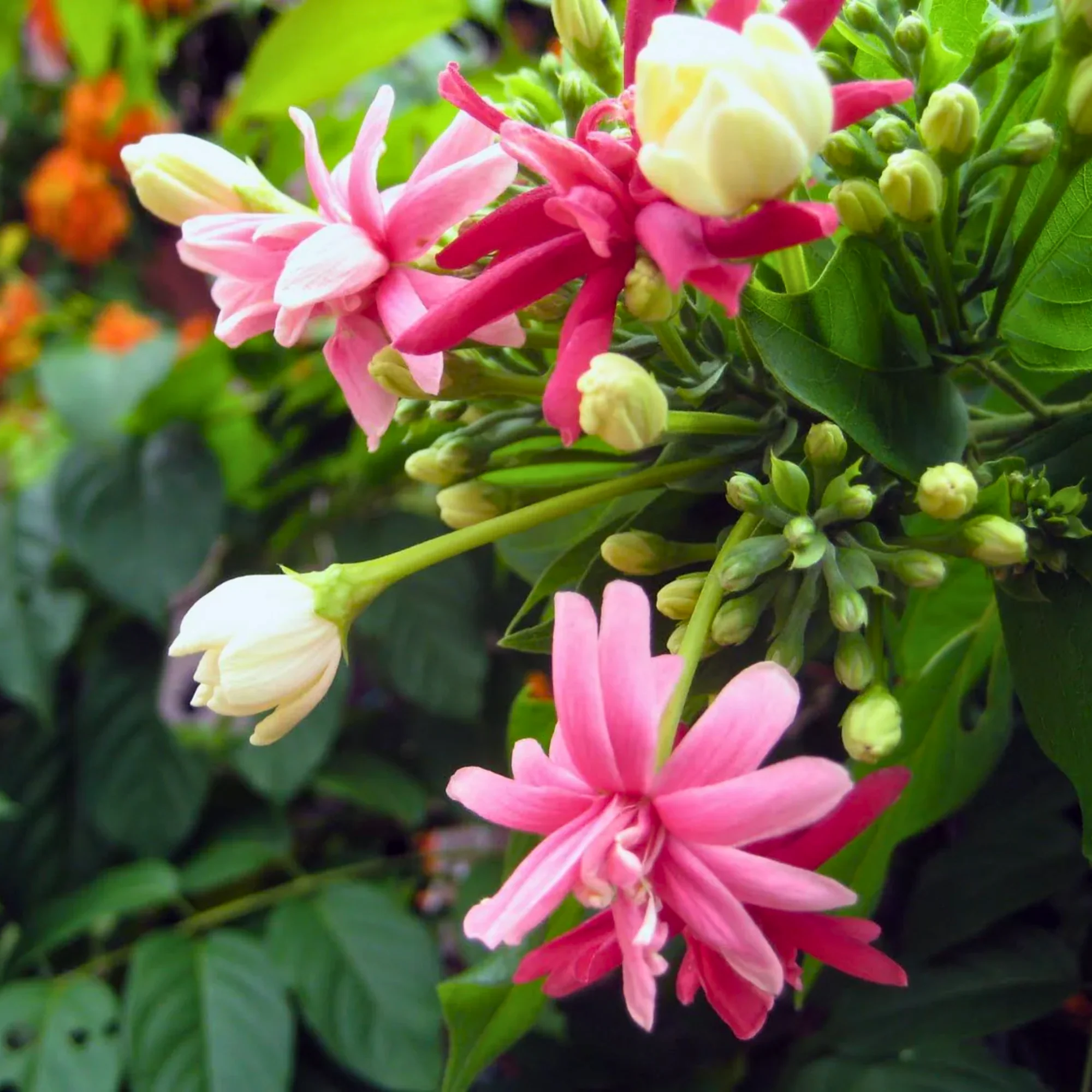
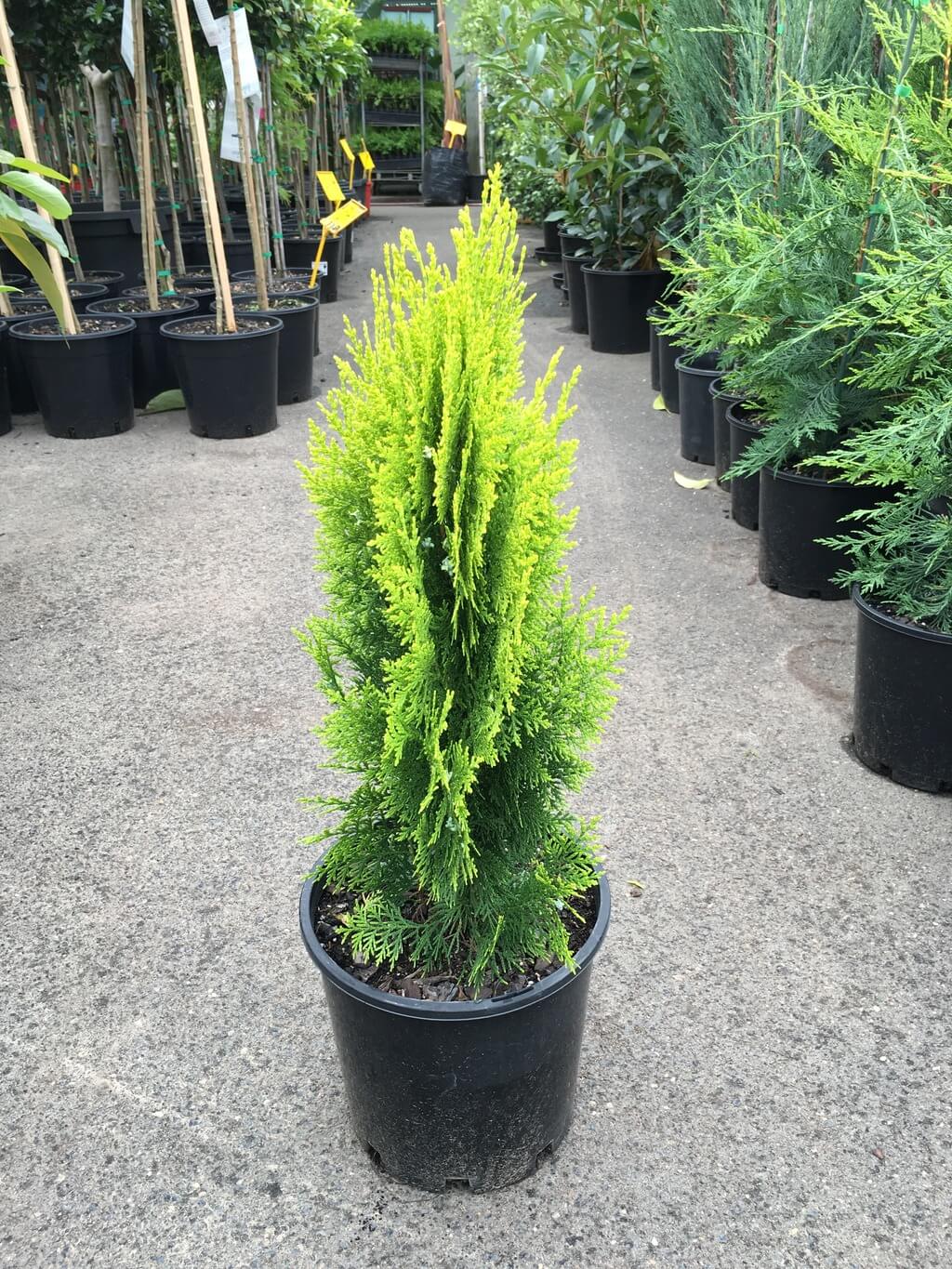
Green Paradise Offers Beautiful Golden
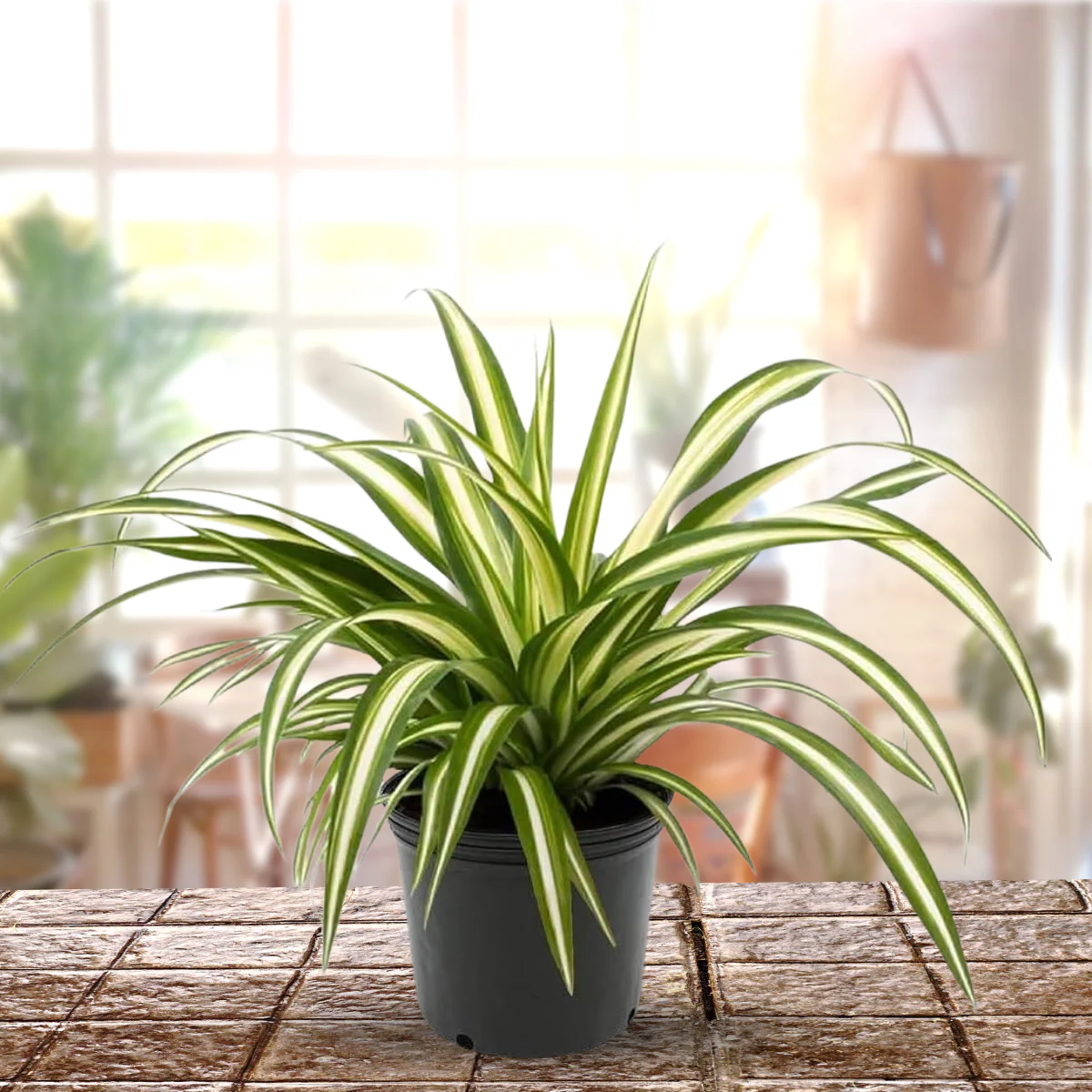
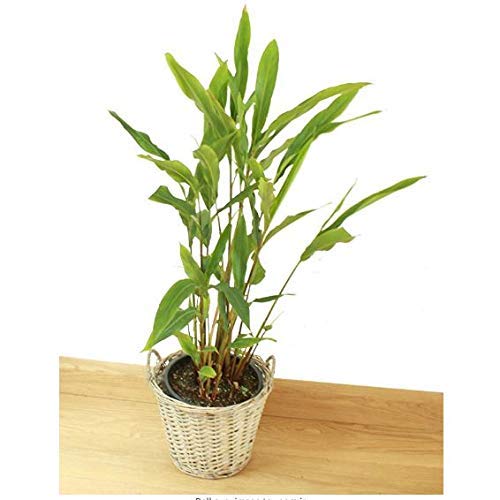
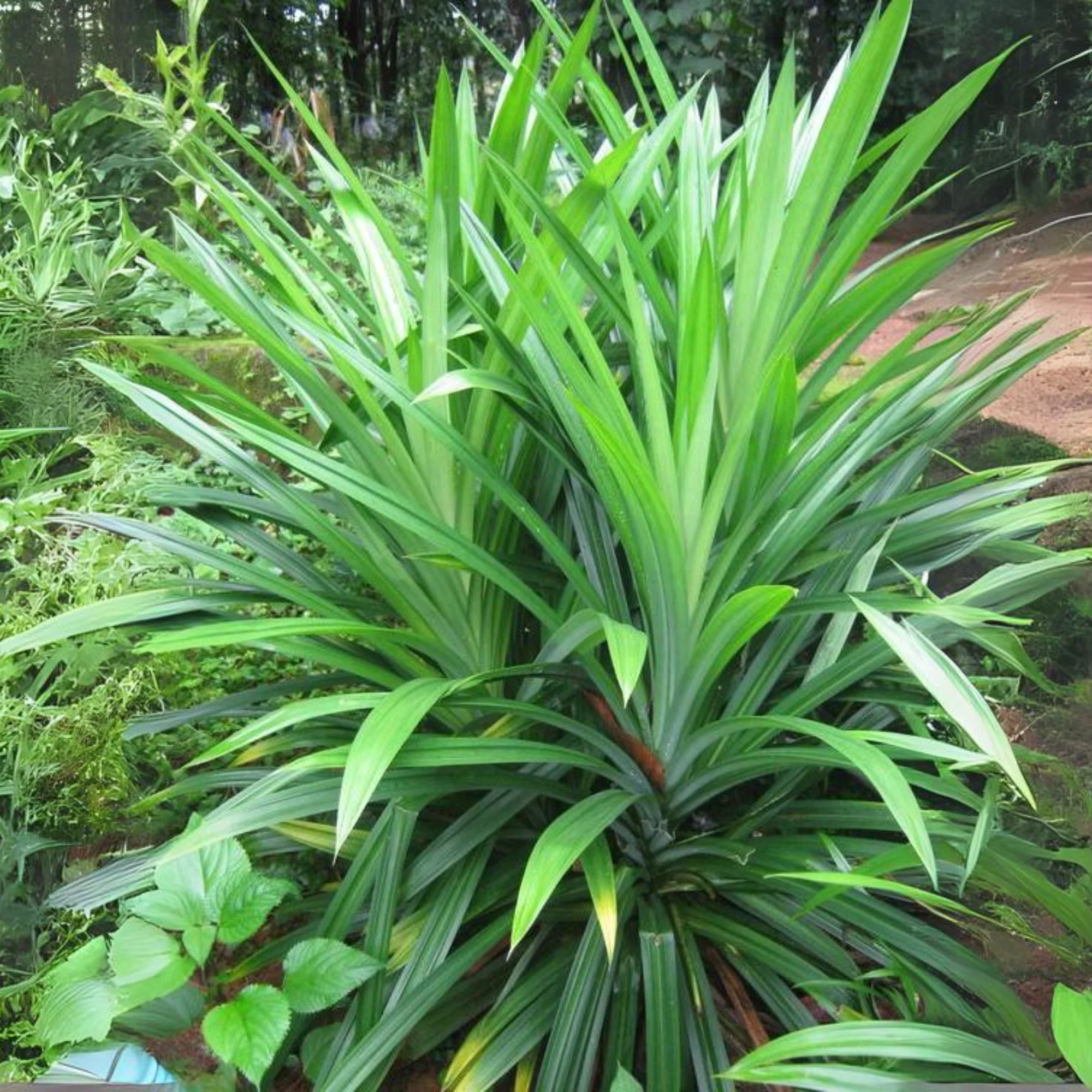
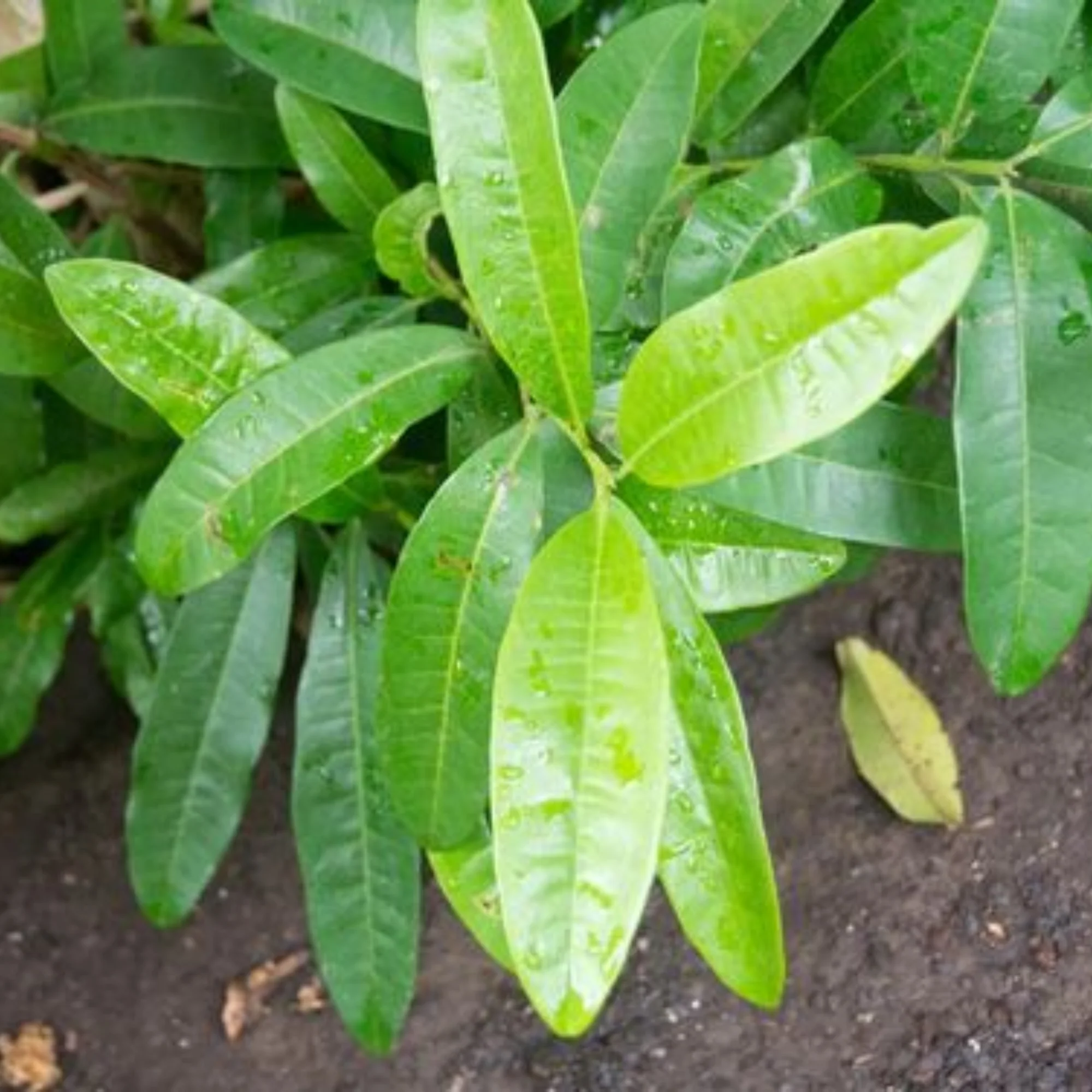
Thuja Morpankhi Plant
Here are some key characteristics and features of Morpankhi
Appearance:
- The Morpankhi is a medium-sized to large tree that can reach heights of 20 to 60 feet (6 to 18 meters).
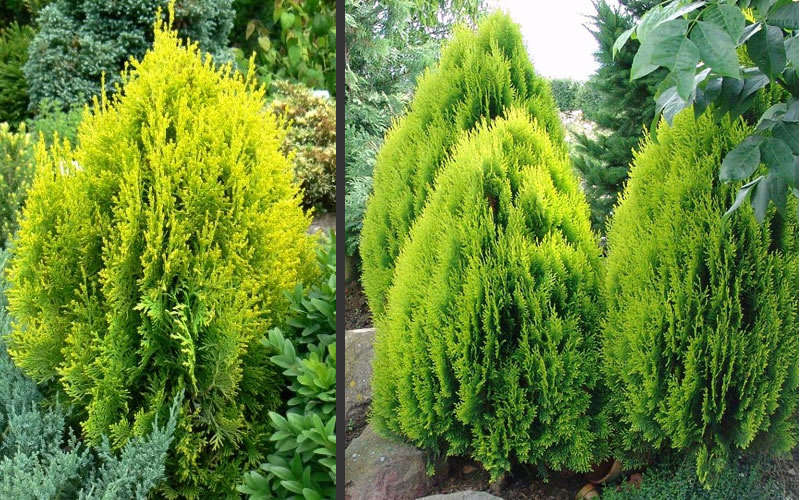
- It has a dense, pyramidal, or columnar-shaped crown, and its branches are arranged in flattened sprays, resembling flattened fans or feathers.
- The foliage consists of scale-like leaves that are bright green to dark green in color.
Growth Rate:
- The Morpankhi tree has a moderate to fast growth rate, making it popular for establishing hedges and windbreaks.
- It can grow up to 2 to 3 feet (0.6 to 0.9 meters) per year under optimal conditions.
Hardiness:
- Morpankhi is adaptable to a wide range of climates and is known for its hardiness.
- It can tolerate cold winters and hot summers, and it is suitable for USDA hardiness zones 5 to 8.
Cultural Significance:
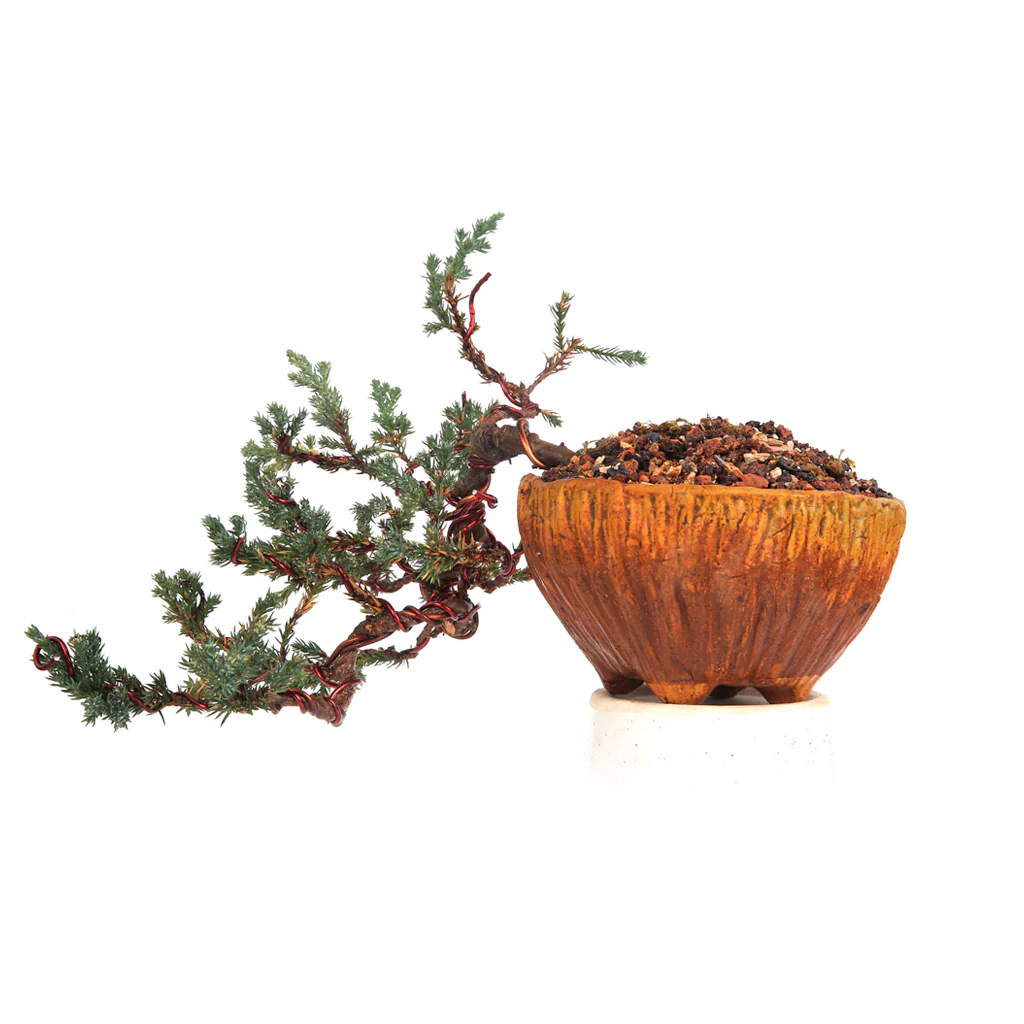
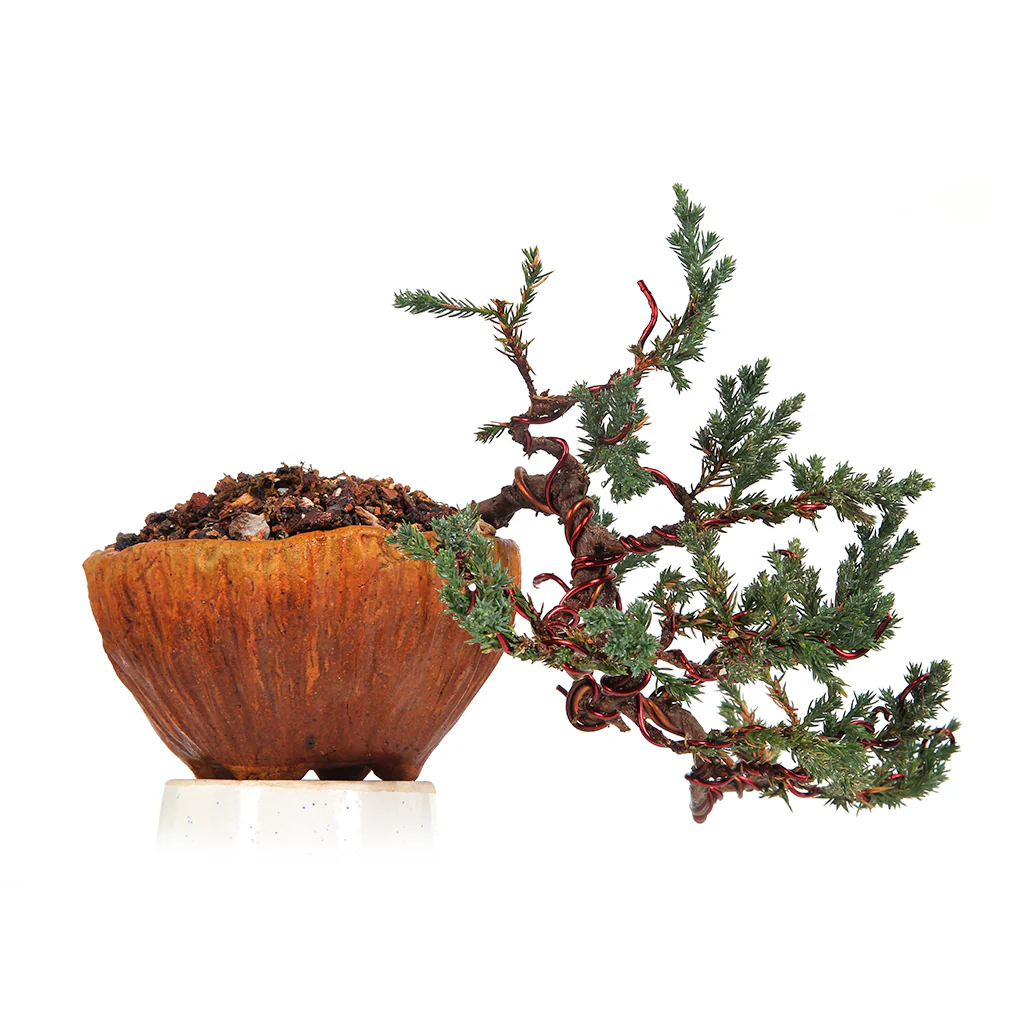
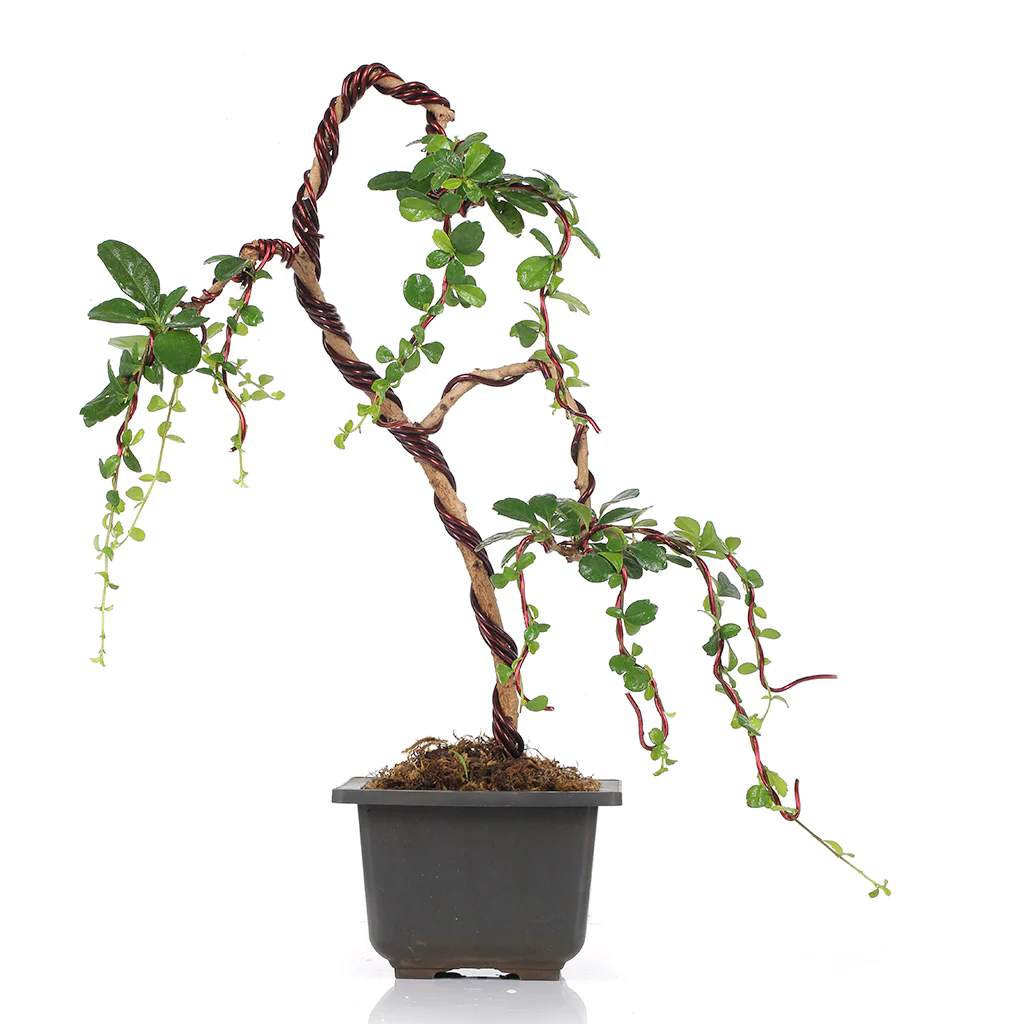
- In its native regions, the Morpankhi has cultural significance and is often planted in temple gardens and used for bonsai.
- Its wood is also valued for its durability and resistance to decay.
Environmental Benefits:
- Like other conifers, Morpankhi offers several environmental benefits.
- It can serve as an effective windbreak, reducing wind speeds and protecting against soil erosion.
- Its dense foliage provides excellent privacy screening and noise reduction.
- Additionally, the tree contributes to air purification by absorbing pollutants and releasing oxygen.
Cultivation:
- Morpankhi Plant thrives in full sun but can tolerate partial shade.
- It prefers well-drained soil and is adaptable to various soil types, including sandy, loamy, and clay soils.
- Once established, the tree is relatively drought-tolerant, but regular watering is beneficial during dry periods.
- It's feasible to grow it from seeds or cuttings.
Uses:
- Morpankhi is primarily cultivated for ornamental purposes.
- It is often planted as a specimen tree in parks, gardens, and landscapes.
- Its columnar form makes it suitable for narrow spaces or as a vertical accent.
- The tree is also commonly used for hedges, privacy screens, and windbreaks due to its dense growth habit.
Overall, Morpankhi, or Oriental arborvitae, is a versatile and attractive evergreen tree known for its ornamental value, adaptability, and environmental benefits. Its distinctive flattened foliage and pyramidal shape make it a popular choice for various landscaping applications.
How To Grow & Care Morpankhi Plant
The Morpankhi plant is a tropical plant that is popular for its large, beautiful leaves.
Here are some guidelines for growing and caring for Morpankhi:
Light:
- Morpankhi plants prefer bright, indirect light.
- Place them near a window where they can admit filtered sun.
- Direct sunlight should be avoided because it can scorch the foliage.
Temperature:
- Morpankhi plants thrive in warm temperatures between 65°F and 85°F (18°C - 29°C).
- Protect them from drafts and sudden temperature changes.
Watering:
- Keep the soil constantly wettish but not soppy.
- When the top inch of soil seems dry, water the factory.
- Ensure proper drainage by using a well-draining potting mix and a container with drainage holes.
Humidity:
- Morpankhi plants appreciate high humidity.
- You can increase humidity by placing the plant on a pebble tray filled with water or using a humidifier.
- Mist the leaves regularly with water to provide additional humidity.
Soil:
- Use a well-draining soil blend that retains humidity but does not come doused.
- A mix of peat moss, perlite, and potting soil works well for Morpankhi plants.
Fertilizer:
- Feed your Morpankhi plant with a balanced, water-soluble fertilizer during the growing season (spring and summer) every 2-4 weeks.
- Follow the package instructions for the proper lozenge.
- Avoid fertilizing during the downtime months when the factory is dormant.
Pruning:
- Remove any yellow or damaged leaves by cutting them off at the base of the stem.
- This helps keep the plant healthy and prevents the spread of diseases.
Repotting:
- Morpankhi plants may need to be repotted every 1-2 years as they outgrow their containers.
- Choose a slightly larger pot and fresh potting mix when repotting.
- Spring is the stylish time to report.
Pests and conditions:
- Watch out for common pests like aphids, mealybugs, and spider diminutives.
- Regularly check the leaves and stems for any signs of pests. However, treat it with insecticidal cleaner or neem oil painting, If an infestation occurs.
Dormancy:
- During the winter months, Morpankhi plants may enter a period of dormancy.
- Reduce watering and fertilization during this time.
- Provide slightly cooler temperatures (around 60°F/15°C) to simulate their natural environment.
Remember that Morpankhi plants can be toxic if ingested, so keep them away from children and pets. By following these care guidelines, you can enjoy a healthy and vibrant Morpankhi plant in your home or garden.
Details & Craftsmanship
Every detail has been carefully considered to bring you the perfect product.
Description
Green Paradise Offers Beautiful Golden
Thuja Morpankhi Plant
Here are some key characteristics and features of Morpankhi
Appearance:
- The Morpankhi is a medium-sized to large tree that can reach heights of 20 to 60 feet (6 to 18 meters).
- It has a dense, pyramidal, or columnar-shaped crown, and its branches are arranged in flattened sprays, resembling flattened fans or feathers.
- The foliage consists of scale-like leaves that are bright green to dark green in color.
Growth Rate:
- The Morpankhi tree has a moderate to fast growth rate, making it popular for establishing hedges and windbreaks.
- It can grow up to 2 to 3 feet (0.6 to 0.9 meters) per year under optimal conditions.
Hardiness:
- Morpankhi is adaptable to a wide range of climates and is known for its hardiness.
- It can tolerate cold winters and hot summers, and it is suitable for USDA hardiness zones 5 to 8.
Cultural Significance:
- In its native regions, the Morpankhi has cultural significance and is often planted in temple gardens and used for bonsai.
- Its wood is also valued for its durability and resistance to decay.
Environmental Benefits:
- Like other conifers, Morpankhi offers several environmental benefits.
- It can serve as an effective windbreak, reducing wind speeds and protecting against soil erosion.
- Its dense foliage provides excellent privacy screening and noise reduction.
- Additionally, the tree contributes to air purification by absorbing pollutants and releasing oxygen.
Cultivation:
- Morpankhi Plant thrives in full sun but can tolerate partial shade.
- It prefers well-drained soil and is adaptable to various soil types, including sandy, loamy, and clay soils.
- Once established, the tree is relatively drought-tolerant, but regular watering is beneficial during dry periods.
- It's feasible to grow it from seeds or cuttings.
Uses:
- Morpankhi is primarily cultivated for ornamental purposes.
- It is often planted as a specimen tree in parks, gardens, and landscapes.
- Its columnar form makes it suitable for narrow spaces or as a vertical accent.
- The tree is also commonly used for hedges, privacy screens, and windbreaks due to its dense growth habit.
Overall, Morpankhi, or Oriental arborvitae, is a versatile and attractive evergreen tree known for its ornamental value, adaptability, and environmental benefits. Its distinctive flattened foliage and pyramidal shape make it a popular choice for various landscaping applications.
How To Grow & Care Morpankhi Plant
The Morpankhi plant is a tropical plant that is popular for its large, beautiful leaves.
Here are some guidelines for growing and caring for Morpankhi:
Light:
- Morpankhi plants prefer bright, indirect light.
- Place them near a window where they can admit filtered sun.
- Direct sunlight should be avoided because it can scorch the foliage.
Temperature:
- Morpankhi plants thrive in warm temperatures between 65°F and 85°F (18°C - 29°C).
- Protect them from drafts and sudden temperature changes.
Watering:
- Keep the soil constantly wettish but not soppy.
- When the top inch of soil seems dry, water the factory.
- Ensure proper drainage by using a well-draining potting mix and a container with drainage holes.
Humidity:
- Morpankhi plants appreciate high humidity.
- You can increase humidity by placing the plant on a pebble tray filled with water or using a humidifier.
- Mist the leaves regularly with water to provide additional humidity.
Soil:
- Use a well-draining soil blend that retains humidity but does not come doused.
- A mix of peat moss, perlite, and potting soil works well for Morpankhi plants.
Fertilizer:
- Feed your Morpankhi plant with a balanced, water-soluble fertilizer during the growing season (spring and summer) every 2-4 weeks.
- Follow the package instructions for the proper lozenge.
- Avoid fertilizing during the downtime months when the factory is dormant.
Pruning:
- Remove any yellow or damaged leaves by cutting them off at the base of the stem.
- This helps keep the plant healthy and prevents the spread of diseases.
Repotting:
- Morpankhi plants may need to be repotted every 1-2 years as they outgrow their containers.
- Choose a slightly larger pot and fresh potting mix when repotting.
- Spring is the stylish time to report.
Pests and conditions:
- Watch out for common pests like aphids, mealybugs, and spider diminutives.
- Regularly check the leaves and stems for any signs of pests. However, treat it with insecticidal cleaner or neem oil painting, If an infestation occurs.
Dormancy:
- During the winter months, Morpankhi plants may enter a period of dormancy.
- Reduce watering and fertilization during this time.
- Provide slightly cooler temperatures (around 60°F/15°C) to simulate their natural environment.
Remember that Morpankhi plants can be toxic if ingested, so keep them away from children and pets. By following these care guidelines, you can enjoy a healthy and vibrant Morpankhi plant in your home or garden.