🚚 Free Worldwide Shipping on All Orders!Shop Now


$2.54
Original: $7.25
-65%New White plum Jamun Plant—
$7.25
$2.54The Story
Unveiling the Sweet Mysteries of the
White Plum Jamun Plant
The world of fruit-bearing trees is a treasure trove of flavors and surprises, and among its many gems, the White Plum Jamun plant stands out as a unique and delightful addition. Known for its luscious, sweet fruit and ornamental qualities, this tree has captured the hearts and palates of many. In this article, we'll explore the wonders of the White Plum Jamun plant, from its origins to how you can grow and care for it.
Understanding the White Plum Jamun:
- The White Plum Jamun, scientifically named Syzygium cumini, is a member of the Myrtaceae family and is native to the Indian subcontinent.
- It's often referred to as the Java Plum, Black Plum, or even Jambolan.
- However, the "White Plum" Jamun is a rare variant of the more common dark-purple fruit.
- It's revered for its distinctive pale, ivory-colored flesh, which is a delightful contrast to the usual dark, almost black, interior of the traditional Jamun.
The Unique Characteristics of White Plum Jamun:
Color and Appearance:
- The most striking feature of the White Plum Jamun is, of course, its fruit.
- Instead of the deep purple to black hue associated with regular Jamuns, the White Plum Jamun's fruit has a creamier, whitish color on the inside while maintaining the typical dark purple skin.
- This stark visual contrast makes it a highly sought-after variety.
Flavor Profile:
- The flavor of White Plum Jamun is a sweet revelation.
- It's less tart and astringent compared to its darker counterparts.
- The taste is a harmonious blend of mild sweetness with a hint of tanginess, making it a delectable treat straight from the tree.
Ornamental Value:
- Beyond its culinary attributes, the White Plum Jamun tree is also prized for its ornamental qualities.
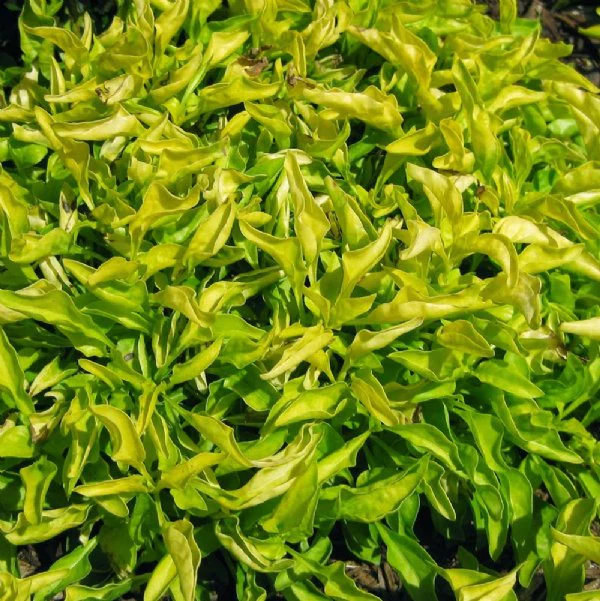
- It has glossy, dark green leaves and fragrant white blossoms.
- This makes it not only a source of delectable fruits but a visually appealing addition to your garden or landscape.
Growing and Caring for White Plum Jamun:
Now that we've piqued your interest in the White Plum Jamun, let's delve into how you can cultivate and nurture this remarkable tree:
Location:
White Plum Jamun trees thrive in tropical and subtropical regions. They like lots of sunshine and well-drained soil. Choose a sunny spot in your garden or landscape.
Soil:
The soil should be rich in organic matter, with good drainage. Adding compost to the planting hole can help enhance the soil quality.
Planting:
Plant your White Plum Jamun tree in the spring. Space multiple trees at least 20-25 feet apart to allow for healthy growth.
Watering:
These trees require consistent moisture, especially during their early years. Once established, they can tolerate mild drought.
Pruning:
Prune your White Plum Jamun tree to shape it and encourage better fruit production. Remove dead or diseased branches regularly.
Fertilization:
Fertilize your tree during the growing season (spring and summer) with a balanced, slow-release fertilizer. Be mindful not to over-fertilize, as it can lead to excessive vegetative growth at the expense of fruit production.
Pest and Disease Control:
Keep an eye out for common fruit tree pests and diseases and take appropriate measures to protect your tree.
Harvesting White Plum Jamun:
White Plum Jamuns typically ripen from late spring to early summer. You'll know they're ready for picking when they turn slightly soft and have a creamy, white color on the inside. Simply pluck them from the tree when they're ripe and enjoy the sweet, unique flavor.
Cultivating White Plum Jamun: A Guide to Growing Your Own Sweet Delight
The White Plum Jamun, scientifically known as Syzygium cumini, is a delightful and exotic fruit tree that promises not only a bountiful harvest but also a unique addition to your garden. Native to the Indian subcontinent, this tree, commonly known as "Jamun" or "Indian Blackberry," bears fruits that are not only delicious but also have several health benefits. Growing a White Plum Jamun plant in your garden can be a rewarding experience. In this guide, we will walk you through the steps to successfully cultivate your very own White Plum Jamun plant.
Selecting the Right Location
- The first step in growing a White Plum Jamun plant is selecting the right location.
- These trees thrive in full sun, so choose a spot in your garden that receives at least 6-8 hours of direct sunlight every day.
- Well-draining soil is also essential for the health of your tree, so ensure that the soil in your chosen location is rich in organic matter and drains well.
Planting Your White Plum Jamun
Choosing the Right Season:
The best time to plant White Plum Jamun is during the monsoon or just before it, so the tree can establish its roots in the moist soil.
Preparing the Planting Hole:
Dig a hole that is at least twice the size of the root ball of your sapling. Ensure that the hole is deep enough to accommodate the roots comfortably.
Planting the Sapling:
Gently remove the sapling from its nursery container, taking care not to damage the roots. After centering it in the hole, cover it with dirt.
Watering and Maintenance
Regular Watering:
White Plum Jamun plants prefer consistently moist soil. Give your tree regular watering, especially in the dry months. still, be conservative not to overwater, as they're susceptible to root spoilage.
Mulching:
Applying a layer of organic mulch around the base of the tree can help retain moisture, regulate soil temperature, and keep weeds at bay.
Pruning:
Prune your White Plum Jamun tree to maintain its shape and remove dead or diseased branches. Pruning is best done during the dormant downtime months.
Fertilization
- White Plum Jamun trees benefit from regular fertilization.
- During the growing season (spring and summer), you can apply a balanced, slow-release fertilizer every 6-8 weeks.
- Be sure to follow the manufacturer's instructions for the appropriate dosage.
Pest and Disease Management
- White Plum Jamun trees can be vulnerable to various pests and diseases.
- Keep a close eye on your tree for signs of trouble, such as yellowing leaves, distorted growth, or unusual spots.
- Common pests include aphids, mealybugs, and fruit flies.
- You can manage these with organic pesticides or by introducing natural predators like ladybugs.
Harvesting Your White Plum Jamun
- Patience is key when growing White Plum Jamun.
- It typically takes 4-5 years for the tree to bear fruit.
- Once the fruits turn a creamy white and are slightly soft to the touch, they are ready for harvest.
- Simply pluck them from the tree, taking care not to damage the fruit or the branch.
- Growing a White Plum Jamun plant in your garden can be a delightful and rewarding experience.
- Not only will you enjoy the sweet, juicy fruits, but you'll also have a unique and exotic addition to your garden's landscape.
- By providing the right care in terms of location, watering, and maintenance, you can ensure the health and productivity of your White Plum Jamun tree.
- So, roll up your sleeves, get your gardening tools ready, and embark on the journey of cultivating this beautiful and delicious tree.
- The White Plum Jamun plant is a delightful twist on a well-loved classic.
- Its striking appearance and sweet flavor set it apart as a must-have addition to any tropical or subtropical garden.
- With the right care, you can enjoy the beauty of its foliage and the exquisite taste of its fruits.
- So, why not embark on a journey to cultivate this unique and luscious tree? Your taste buds and your garden will surely thank you.

Details & Craftsmanship
Every detail has been carefully considered to bring you the perfect product.
Description
Unveiling the Sweet Mysteries of the
White Plum Jamun Plant
The world of fruit-bearing trees is a treasure trove of flavors and surprises, and among its many gems, the White Plum Jamun plant stands out as a unique and delightful addition. Known for its luscious, sweet fruit and ornamental qualities, this tree has captured the hearts and palates of many. In this article, we'll explore the wonders of the White Plum Jamun plant, from its origins to how you can grow and care for it.
Understanding the White Plum Jamun:
- The White Plum Jamun, scientifically named Syzygium cumini, is a member of the Myrtaceae family and is native to the Indian subcontinent.
- It's often referred to as the Java Plum, Black Plum, or even Jambolan.
- However, the "White Plum" Jamun is a rare variant of the more common dark-purple fruit.
- It's revered for its distinctive pale, ivory-colored flesh, which is a delightful contrast to the usual dark, almost black, interior of the traditional Jamun.
The Unique Characteristics of White Plum Jamun:
Color and Appearance:
- The most striking feature of the White Plum Jamun is, of course, its fruit.
- Instead of the deep purple to black hue associated with regular Jamuns, the White Plum Jamun's fruit has a creamier, whitish color on the inside while maintaining the typical dark purple skin.
- This stark visual contrast makes it a highly sought-after variety.
Flavor Profile:
- The flavor of White Plum Jamun is a sweet revelation.
- It's less tart and astringent compared to its darker counterparts.
- The taste is a harmonious blend of mild sweetness with a hint of tanginess, making it a delectable treat straight from the tree.
Ornamental Value:
- Beyond its culinary attributes, the White Plum Jamun tree is also prized for its ornamental qualities.
- It has glossy, dark green leaves and fragrant white blossoms.
- This makes it not only a source of delectable fruits but a visually appealing addition to your garden or landscape.
Growing and Caring for White Plum Jamun:
Now that we've piqued your interest in the White Plum Jamun, let's delve into how you can cultivate and nurture this remarkable tree:
Location:
White Plum Jamun trees thrive in tropical and subtropical regions. They like lots of sunshine and well-drained soil. Choose a sunny spot in your garden or landscape.
Soil:
The soil should be rich in organic matter, with good drainage. Adding compost to the planting hole can help enhance the soil quality.
Planting:
Plant your White Plum Jamun tree in the spring. Space multiple trees at least 20-25 feet apart to allow for healthy growth.
Watering:
These trees require consistent moisture, especially during their early years. Once established, they can tolerate mild drought.
Pruning:
Prune your White Plum Jamun tree to shape it and encourage better fruit production. Remove dead or diseased branches regularly.
Fertilization:
Fertilize your tree during the growing season (spring and summer) with a balanced, slow-release fertilizer. Be mindful not to over-fertilize, as it can lead to excessive vegetative growth at the expense of fruit production.
Pest and Disease Control:
Keep an eye out for common fruit tree pests and diseases and take appropriate measures to protect your tree.
Harvesting White Plum Jamun:
White Plum Jamuns typically ripen from late spring to early summer. You'll know they're ready for picking when they turn slightly soft and have a creamy, white color on the inside. Simply pluck them from the tree when they're ripe and enjoy the sweet, unique flavor.
Cultivating White Plum Jamun: A Guide to Growing Your Own Sweet Delight
The White Plum Jamun, scientifically known as Syzygium cumini, is a delightful and exotic fruit tree that promises not only a bountiful harvest but also a unique addition to your garden. Native to the Indian subcontinent, this tree, commonly known as "Jamun" or "Indian Blackberry," bears fruits that are not only delicious but also have several health benefits. Growing a White Plum Jamun plant in your garden can be a rewarding experience. In this guide, we will walk you through the steps to successfully cultivate your very own White Plum Jamun plant.
Selecting the Right Location
- The first step in growing a White Plum Jamun plant is selecting the right location.
- These trees thrive in full sun, so choose a spot in your garden that receives at least 6-8 hours of direct sunlight every day.
- Well-draining soil is also essential for the health of your tree, so ensure that the soil in your chosen location is rich in organic matter and drains well.
Planting Your White Plum Jamun
Choosing the Right Season:
The best time to plant White Plum Jamun is during the monsoon or just before it, so the tree can establish its roots in the moist soil.
Preparing the Planting Hole:
Dig a hole that is at least twice the size of the root ball of your sapling. Ensure that the hole is deep enough to accommodate the roots comfortably.
Planting the Sapling:
Gently remove the sapling from its nursery container, taking care not to damage the roots. After centering it in the hole, cover it with dirt.
Watering and Maintenance
Regular Watering:
White Plum Jamun plants prefer consistently moist soil. Give your tree regular watering, especially in the dry months. still, be conservative not to overwater, as they're susceptible to root spoilage.
Mulching:
Applying a layer of organic mulch around the base of the tree can help retain moisture, regulate soil temperature, and keep weeds at bay.
Pruning:
Prune your White Plum Jamun tree to maintain its shape and remove dead or diseased branches. Pruning is best done during the dormant downtime months.
Fertilization
- White Plum Jamun trees benefit from regular fertilization.
- During the growing season (spring and summer), you can apply a balanced, slow-release fertilizer every 6-8 weeks.
- Be sure to follow the manufacturer's instructions for the appropriate dosage.
Pest and Disease Management
- White Plum Jamun trees can be vulnerable to various pests and diseases.
- Keep a close eye on your tree for signs of trouble, such as yellowing leaves, distorted growth, or unusual spots.
- Common pests include aphids, mealybugs, and fruit flies.
- You can manage these with organic pesticides or by introducing natural predators like ladybugs.
Harvesting Your White Plum Jamun
- Patience is key when growing White Plum Jamun.
- It typically takes 4-5 years for the tree to bear fruit.
- Once the fruits turn a creamy white and are slightly soft to the touch, they are ready for harvest.
- Simply pluck them from the tree, taking care not to damage the fruit or the branch.
- Growing a White Plum Jamun plant in your garden can be a delightful and rewarding experience.
- Not only will you enjoy the sweet, juicy fruits, but you'll also have a unique and exotic addition to your garden's landscape.
- By providing the right care in terms of location, watering, and maintenance, you can ensure the health and productivity of your White Plum Jamun tree.
- So, roll up your sleeves, get your gardening tools ready, and embark on the journey of cultivating this beautiful and delicious tree.
- The White Plum Jamun plant is a delightful twist on a well-loved classic.
- Its striking appearance and sweet flavor set it apart as a must-have addition to any tropical or subtropical garden.
- With the right care, you can enjoy the beauty of its foliage and the exquisite taste of its fruits.
- So, why not embark on a journey to cultivate this unique and luscious tree? Your taste buds and your garden will surely thank you.